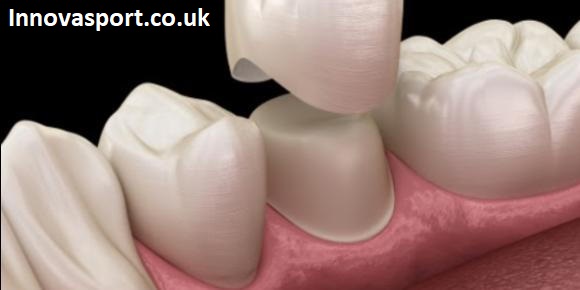
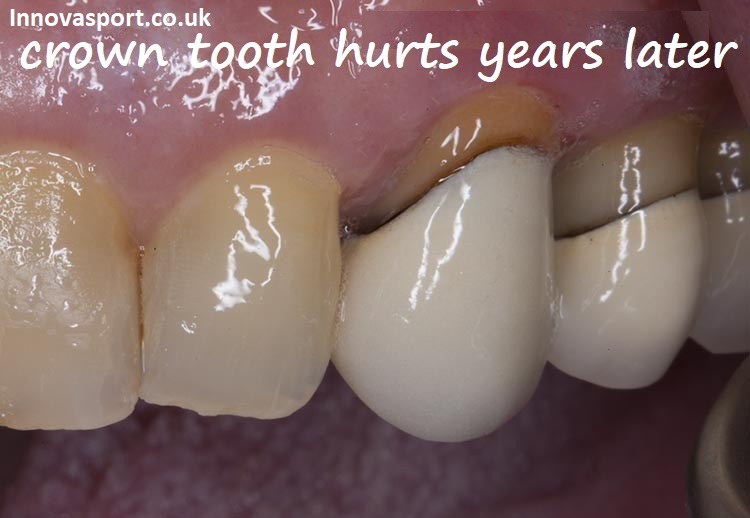
Why Does My Crown Hurt? A dental crown can hurt for a number of reasons, and understanding the cause is the first step toward finding relief.
One of the most common culprits is bite misalignment, where the crown sits slightly too high and puts excessive pressure on the tooth with every bite.
This constant pressure quickly leads to soreness and jaw discomfort. The underlying tooth and its nerve may also remain sensitive following the procedure, reacting painfully to hot or cold foods and drinks.
Gum tissue surrounding the crown can become inflamed during the healing process, adding to the discomfort.
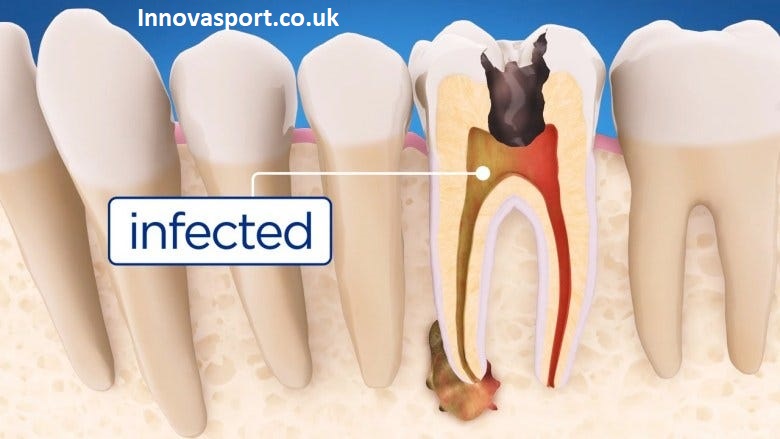
In more serious cases, bacteria may seep beneath the crown, causing new decay or even infection that radiates pain throughout the area.
A cracked or damaged crown is another possibility, exposing the vulnerable tooth beneath to pressure and temperature changes.
Table of Contents
Quick Table
| Cause | Symptoms | Solution |
|---|---|---|
| Bite Misalignment | Soreness when biting, jaw pain | Dentist adjusts crown height |
| Nerve Sensitivity | Pain from hot/cold foods | Sensitivity toothpaste or nerve treatment |
| Gum Irritation | Swollen, tender gums around crown | Anti-inflammatory rinse, time to heal |
| Decay Underneath | Persistent dull ache, bad taste | Remove crown, treat decay, replace |
| Cracked Crown | Sharp pain under pressure | Crown repair or replacement |
| Infection/Abscess | Throbbing pain, swelling, fever | Root canal or antibiotics |
| Loose Crown | Crown feels unstable, sensitivity | Re-cement or replace crown |
Why Does My Crown Hurt?
You bit into something totally normal — a sandwich, an apple, a piece of chicken — and suddenly there’s that uncomfortable throb under your crown.
Here’s what’s actually going on, and what you should do about it.
Marcus Ellery|Updated May 2026|~1,500 words · 7 min read
Let me paint you a picture. It’s a Tuesday afternoon, you’re eating lunch — nothing extreme, just a turkey sandwich — and you bite down and feel this weird, sharp sensitivity right where your dental crown sits.
Not agony, but enough to make you stop chewing and think, “Wait. That shouldn’t be doing that.”
That was me about two years ago, three weeks after getting a crown put on my back lower molar. I genuinely assumed I just needed to wait it out. Spoiler:
I waited too long, made it worse, and ended up in an emergency dental appointment on a Friday afternoon (the absolute worst time to have a dental emergency, by the way).
So if you’re sitting here Googling “why does my crown hurt when I put pressure on it” — first, you’re not alone, this is incredibly common.
Second, the answer depends heavily on when the crown was placed and exactly what kind of pain you’re feeling. Let me break it all down the way I wish someone had explained it to me.
First, Is This Normal After a New Crown?
If your crown was placed recently — within the last few weeks — some sensitivity and mild discomfort when biting down is actually pretty normal.
Your tooth just went through a significant procedure. The dentist drilled it down, possibly did some deeper work if there was decay, and your surrounding gum tissue is still healing.
Think of it like wearing a brand-new shoe. It needs to be broken in.
The bite might feel slightly “off” because your brain isn’t used to the new shape yet, and the tiny ligaments holding your tooth in place (called the periodontal ligaments) are still adjusting to the pressure load.
General rule of thumb: Mild sensitivity in the first 2–4 weeks after a crown placement is common and usually resolves on its own. If it’s getting worse over time, not better — that’s a red flag.
My mistake? I assumed my growing pain was still “normal healing” at week five. It wasn’t.
The Most Common Reasons a Crown Hurts Under Pressure
The Crown Is Sitting Too High (High Bite)
This is the #1 culprit, and honestly it’s the most fixable one. When the crown is even slightly too tall — we’re talking fractions of a millimeter — it takes more force than your other teeth when you close your jaw.
That excess pressure causes inflammation in the ligaments around the tooth root, and you feel it as a consistent ache or sharpness when biting.
The weird thing? Right after the procedure, your mouth is still numb, so you can’t feel the bite properly. You tell the dentist “feels fine,” they cement the crown, you go home.
A few days later when the anesthetic fully wears off, your real bite kicks in and suddenly the crown feels like it’s sticking up too high.
This is a simple fix — your dentist just needs to grind down the crown slightly. If you catch it early, a 10-minute appointment sorts it out completely.
The Nerve Inside the Tooth Is Irritated (or Dying)
Even if your tooth didn’t need a root canal before the crown, the drilling process can irritate or inflame the nerve inside. In most cases, this calms down on its own. But in some cases — especially if the tooth had significant decay or if the crown prep went deep — the nerve can start to die off.
This is what happened to me. The dentist had gone pretty deep on my molar to clear out all the old decay, and the nerve just couldn’t recover from the trauma. The pressure pain I was feeling was my nerve slowly giving up.
Signs this might be what’s happening to you:
- Pain that lingers after you release the bite (not just during pressure)
- Sensitivity to hot or cold that hangs around for more than 10–15 seconds
- A dull, throbbing ache that comes and goes, especially at night
- Swelling or a small bump near the gum around the crown
If you’re seeing those signs, there’s a good chance you’re looking at a root canal. Not the end of the world — it sounds scarier than it is — but the sooner you go in, the better.
There’s a Crack in the Tooth Underneath
Crowns are often placed on teeth that were already weak — heavily filled, fractured, or otherwise compromised.
Sometimes there’s a pre-existing crack in the tooth structure beneath the crown that wasn’t visible during the original procedure.
Cracked tooth syndrome is tricky because the pain is often very specific:
it usually hurts when you bite down in a particular direction or on a particular part of the tooth, and it can release sharply when you let go of the bite. It’s almost like a catching sensation.
“If the pain feels more like a shooting zap when you release your bite rather than when you apply it, a crack underneath the crown is high on the differential.” — something my endodontist told me that I wish I’d heard earlier.
An Infection or Abscess Is Forming
If bacteria got trapped under the crown during placement, or if the tooth had hidden decay that wasn’t fully cleared, an infection can develop.
This usually announces itself pretty clearly — pressure pain that doesn’t let up, throbbing, fever in some cases, swelling in the gum or jaw, and a tooth that’s incredibly tender even to light touch.
Don’t sit on this one. An abscess won’t resolve on its own and can spread to surrounding tissue if untreated.
Gum Recession Around the Crown Edge
Over time — especially if the crown’s edge sits at or just below the gumline — gum tissue can recede and expose a tiny strip of root or the margin of the crown.
That exposed zone has no enamel protecting it, so pressure, temperature changes, or even brushing can cause sharp sensitivity. This one tends to sneak up gradually rather than appearing suddenly.
What to Actually Do About It (Step by Step)
- Assess the timeline. New crown (under 4 weeks) with mild, improving pain? Monitor for another week or two. Pain that’s worsening, constant, or came back after being gone? Call your dentist.
- Pay attention to the type of pain. Sharp on biting = likely bite issue or crack. Lingering ache after pressure = nerve involvement. Throbbing at rest = possible infection. This info helps your dentist triage faster.
- Avoid chewy, hard, or sticky foods on that side. Caramels, tough bread crusts, ice — all of these can aggravate an already stressed crown or underlying tooth.
- Use a sensitive toothpaste in the meantime. Something like Sensodyne with potassium nitrate can help calm surface nerve sensitivity while you wait for your appointment. It won’t fix structural issues, but it can take the edge off daily discomfort.
- Call your dentist and describe the pain specifically. Don’t just say “my crown hurts.” Say: “It hurts when I bite down, specifically when I’m chewing on the back left side, and the pain lasts about 20 seconds after I release.” That specificity helps them prioritize your appointment and come prepared.
- If you have fever, swelling, or severe pain — go same day. Most dental offices keep emergency slots. If yours doesn’t, urgent care dentists exist and are worth the out-of-pocket cost when you’re dealing with a possible infection.
Heads up on over-the-counter pain relief: Ibuprofen (Advil) works better than acetaminophen (Tylenol) for dental pain because it’s an anti-inflammatory, not just a painkiller.
For most adults, 400–600mg with food can make the wait until your appointment much more manageable.
Don’t exceed the recommended dose, and check with your doctor if you have any conditions that restrict NSAID use.
Common Mistakes People Make (I Made a Few of These)
- Waiting too long hoping it’ll go away. Some things do resolve on their own. Dying nerves and spreading infections don’t. When in doubt, call.
- Telling the dentist the bite feels fine right after the procedure. Your mouth is still numb — you literally cannot feel the bite accurately. Always ask to check again at your follow-up, or call if things feel off once feeling returns.
- Assuming a crowned tooth can’t get infected. The crown protects the outer tooth, but the root and pulp inside are still alive (unless you’ve had a root canal) and still vulnerable to infection.
- Ignoring a bad bite for weeks. A slightly high crown that isn’t adjusted quickly can cause surrounding teeth to shift, jaw soreness, and even headaches. What starts as a 10-minute fix becomes a longer problem.
- Not mentioning the crown when you call. Always lead with “I have a crown on this tooth” — it changes the entire diagnostic approach.
When the Dentist Might Recommend a Root Canal
Nobody wants to hear this, but let’s talk about it honestly. If your dentist suspects nerve involvement — whether from trauma during prep, decay that was too close to the pulp, or an unresolved infection — a root canal may be the most straightforward fix.
Here’s the silver lining: the crown stays. The dentist drills a tiny access hole through it, does the root canal, and seals everything up. The crown doesn’t have to be replaced in most cases. So you’re not starting from scratch financially or procedurally.
After my root canal on that molar, the pressure pain vanished almost immediately. The nerve was the problem; removing it removed the pain. Simple as that.
The Follow-Up You Shouldn’t Skip
A lot of people get their crown placed and then disappear from their dentist’s radar until the next routine cleaning. If you’re having any discomfort at all — even mild — mention it at your next appointment.
X-rays can catch things that aren’t causing obvious pain yet, like a slow-developing abscess or a crack that’s getting worse.
Crowns are typically designed to last 10–15 years, sometimes longer with good care. But that lifespan assumes the underlying tooth is healthy.
Catching small problems early is almost always cheaper, faster, and less painful than waiting for them to escalate.
FAQ’s
How long should a crown hurt after placement?
Some mild soreness and sensitivity is completely normal for the first few days after a crown is placed. However, if pain persists beyond two weeks or worsens over time, you should contact your dentist for an evaluation.
Can a crown cause nerve damage?
Yes, in some cases the preparation process for a crown can irritate or inflame the nerve inside the tooth. If nerve damage is significant, a root canal may be required to resolve the pain.
Can I ignore crown pain?
No. Ignoring crown pain can allow underlying issues like decay or infection to worsen significantly. What starts as minor discomfort can develop into a serious dental emergency requiring more extensive and expensive treatment.
Why does my crown hurt when I bite down?
This is most commonly caused by bite misalignment. If the crown is even slightly too high, it absorbs more pressure than it should during chewing, causing pain that can spread to surrounding teeth and the jaw.
How long does a dental crown last?
With proper care, a dental crown typically lasts between 10 and 15 years. Good oral hygiene, regular dental visits, and avoiding habits like teeth grinding can extend its lifespan significantly.
Conclusion
Crown pain is something many people experience at some point, and while it can be alarming, it is often very treatable once the underlying cause is identified.
Whether the discomfort stems from a simple bite misalignment, post-procedure nerve sensitivity, gum irritation, or something more serious like decay or infection beneath the crown, there is almost always a clear solution available.
The key is never to dismiss or delay addressing the pain. Dental problems, much like most health issues, tend to worsen when left untreated, turning manageable conditions into complex and costly procedures.
A crown is a significant dental investment, and protecting it through regular checkups, good oral hygiene, and prompt attention to any discomfort is absolutely essential.
Your dentist is your best ally in diagnosing the exact source of the pain and recommending the most appropriate course of treatment.
In many cases, a simple adjustment or minor procedure is all that is needed to restore full comfort. Do not let fear or uncertainty keep you from seeking help.
Addressing crown pain early not only protects your oral health but also saves you time, money, and unnecessary suffering in the long run.
About the Author