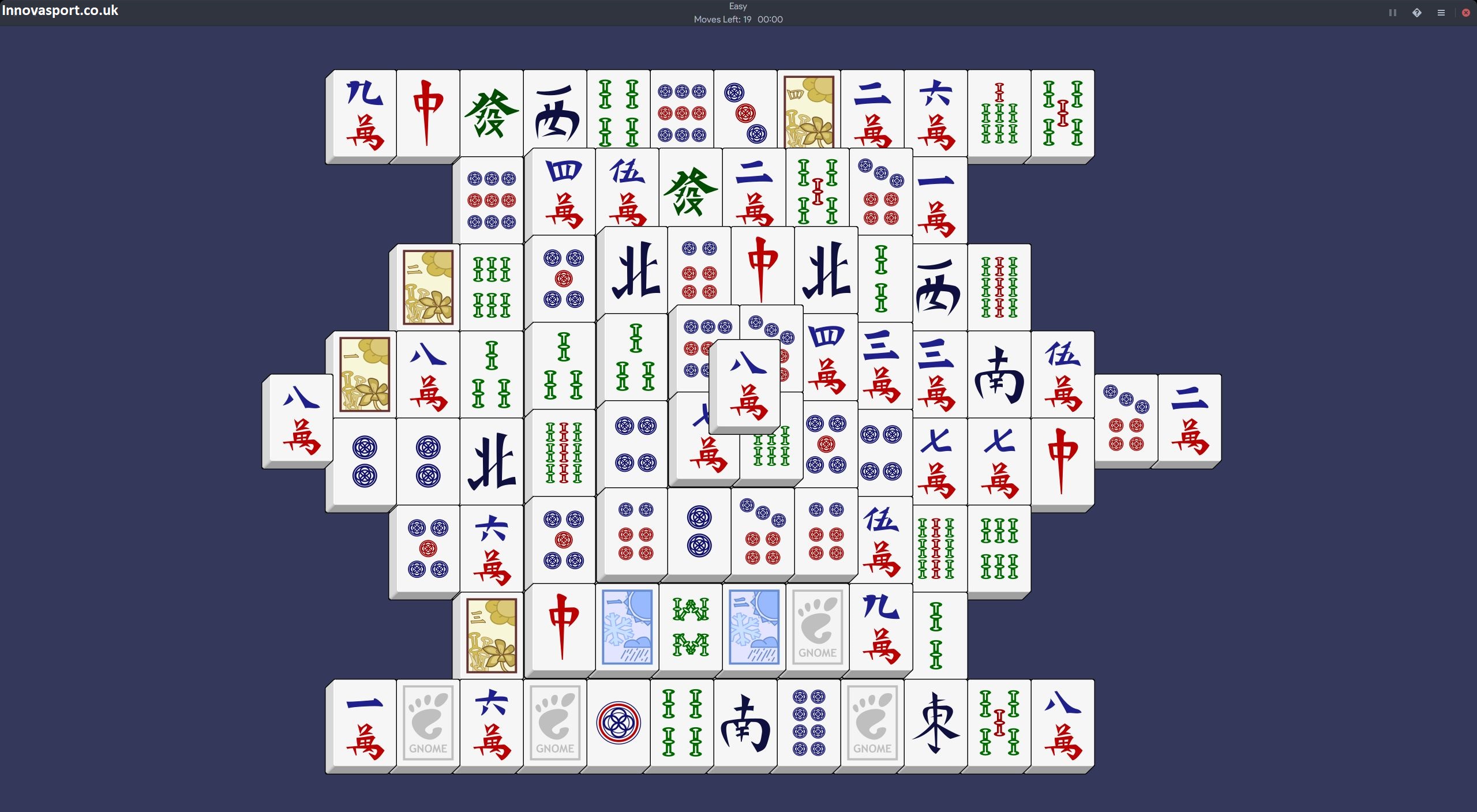
Game Mahjong is one of those puzzle games that looks simple until you actually start playing.
The main goal is to match identical tiles and clear the board, but the real challenge comes from planning your moves carefully.
I first tried Mahjong during a boring evening and ended up playing far longer than expected because every level felt satisfying to solve.
What makes the game enjoyable is its calm pace compared to stressful action games. Many people play Mahjong to relax, improve focus, or simply pass time.
Whether on mobile, PC, or browser, Mahjong remains a timeless puzzle game that’s easy to learn but hard to stop playing.
Table of Contents
Quick Table
| Feature | Details |
|---|---|
| Game Name | Mahjong |
| Game Type | Tile-Matching Puzzle Game |
| Popular Version | Mahjong Solitaire |
| Main Goal | Match identical tiles and clear the board |
| Best Platforms | Android, iPhone, PC, Browser |
| Difficulty Level | Easy to Learn, Challenging to Master |
| Gameplay Style | Relaxing and Strategy-Based |
| Offline Support | Available in many apps |
| Average Session Time | 5–30 Minutes |
| Skills Required | Focus, Pattern Recognition, Patience |
| Suitable For | Casual Players, Puzzle Lovers, Adults & Seniors |
| Common Features | Hints, Themes, Daily Challenges, Timers |
| Multiplayer Option | Available in some versions |
| Internet Required | Not always |
| Best Time to Play | During breaks, travel, or relaxation time |
What Is Mahjong Game?
The first time I played Mahjong on my phone, I honestly thought it would be boring. I downloaded it during a long power outage just to kill time for a few minutes.
Two hours later, I was still sitting there trying to clear one stubborn tile layout that refused to cooperate.
That’s the funny thing about Mahjong games.
They look calm and simple at first, but once you start understanding the patterns, it becomes weirdly satisfying.
It’s one of those games that can either relax your brain or completely challenge your patience depending on the level you’re playing.
Over the past few years, I’ve tried Mahjong games on Android, PC, and even browser-based versions. Some were great for stress relief, while others felt overloaded with ads and unnecessary features.
After spending way too much time matching tiles, I’ve learned what actually makes a Mahjong game enjoyable and what ruins the experience.
If you’re curious about Mahjong games, wondering how they work, or trying to find the best way to enjoy them, here’s everything I’ve learned from actually playing them regularly.
What Is a Mahjong Game?
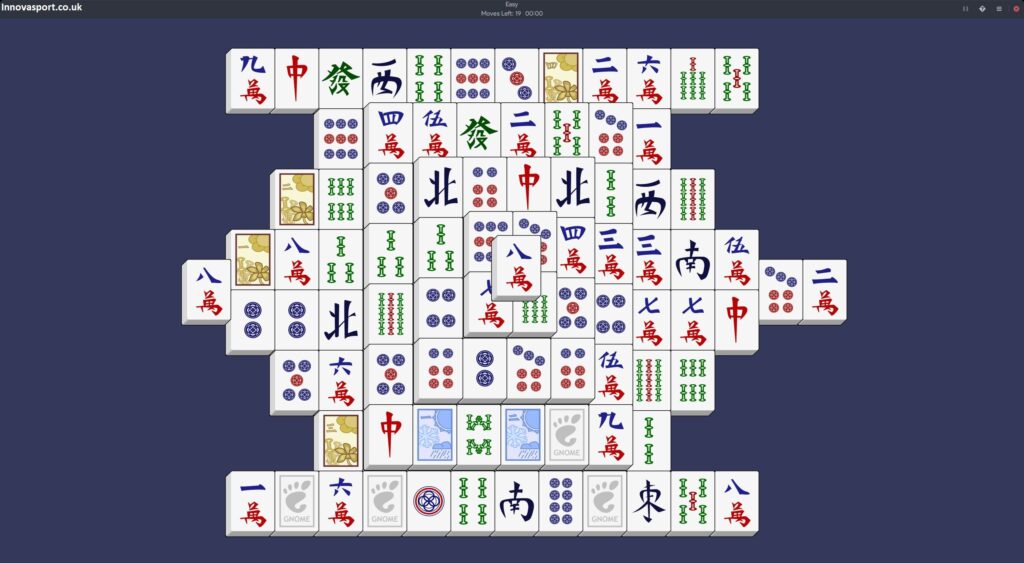
A Mahjong game is usually a tile-matching puzzle game inspired by the traditional Chinese game Mahjong. The digital version most people play today is often called “Mahjong Solitaire.”
The goal is simple:
- Match identical tiles
- Remove them from the board
- Clear the entire layout before you run out of moves
Sounds easy, right? That’s exactly what I thought too.
The catch is that you can only select “free” tiles. A tile is free when:
- Nothing is on top of it
- At least one side is open
That small rule changes everything. One wrong move early in the game can leave you stuck later.
I learned this the hard way after rushing through levels and realizing I blocked important tiles underneath. After that, I started slowing down and thinking ahead more carefully.
Why Mahjong Games Became So Popular
I think Mahjong games exploded in popularity because they hit a sweet spot between relaxing and challenging.
Unlike fast shooting games or stressful competitive matches, Mahjong lets you play at your own pace. There’s no screaming voice chat, no pressure from teammates, and no crazy mechanics to memorize.
It’s just you, the tiles, and your brain.
I’ve noticed a lot of people play Mahjong:
- Before bed
- During work breaks
- While traveling
- To relax after stressful days
My uncle actually introduced me to desktop Mahjong years ago because he used it to unwind after work. At first, I laughed at how “old-school” it looked. Later, I ended up downloading the exact same game.
Funny how that works.
The Different Types of Mahjong Games
One thing that surprised me was how many versions of Mahjong exist now.
Some stay close to the traditional style, while others turn it into a modern mobile puzzle game with rewards, themes, and daily challenges.
Here are the main types I’ve personally tried.
Classic Mahjong Solitaire
This is the standard version most people know.
You match pairs of tiles until the board is clear. No timers, no flashy effects, just pure puzzle gameplay.
This version is great if you:
- Want a relaxing experience
- Like strategy games
- Don’t enjoy fast-paced gameplay
I still prefer this style because it feels less distracting.
Mahjong With Timers
Some apps add countdown timers to make things harder.
Honestly, I’m not a huge fan of timed Mahjong games. They turn a relaxing puzzle into a stress test.
I once played a version where every level had a 3-minute limit. Instead of thinking strategically, I just started clicking randomly in panic mode.
If you’re new to Mahjong, avoid heavy timer-based versions at first.
Story-Based Mahjong Games
This is where things get interesting.
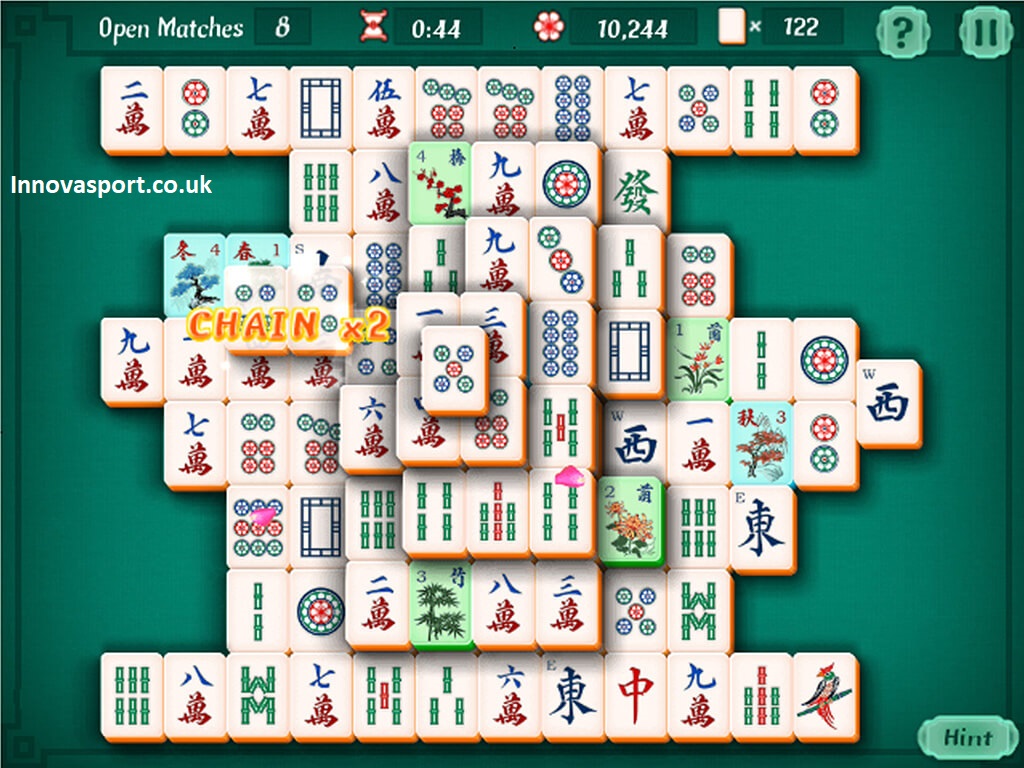
Modern Mahjong apps now combine puzzles with:
- Home decoration
- Story progression
- Mystery solving
- Travel adventures
You complete Mahjong levels to unlock new parts of the story.
At first I thought this sounded gimmicky, but some of these games are surprisingly addictive. They give you a reason to keep playing beyond just clearing tiles.
Multiplayer Mahjong
Yes, multiplayer Mahjong exists too.
Some games let you compete against real players online. Usually, whoever clears the board faster wins.
I tried this once and quickly realized experienced players are ridiculously fast. It felt like playing chess against someone who already memorized every move.
Still, it can be fun if you enjoy competition.
Best Platforms to Play Mahjong Games
After trying Mahjong on different devices, here’s my honest experience with each one.
Mobile Phones
This is probably the best way to play casually.
Most Mahjong apps are designed for:
- Quick sessions
- Touch controls
- Relaxed gameplay
I usually play on Android during short breaks because it’s convenient.
Some good mobile Mahjong apps include:
- Mahjong Titan
- Mahjong Journey
- Mahjong Club
Just be careful with ad-heavy apps. Some free games interrupt every level with long video ads, which gets annoying fast.
PC and Laptop
Playing Mahjong on a larger screen feels more comfortable for longer sessions.
I personally like browser-based Mahjong on PC because:
- The tiles are easier to see
- You can focus better
- Mouse controls feel precise
Classic desktop Mahjong games also tend to have fewer distractions than mobile apps.
Browser-Based Mahjong Websites
If you don’t want to download anything, browser Mahjong works perfectly.
I’ve used several websites while testing layouts or just passing time during slow internet days.
The nice thing is you can usually start instantly without creating an account.
Tips That Actually Help in Mahjong
After countless failed attempts and stubborn layouts, I picked up a few habits that genuinely improved my game.
1. Don’t Match Tiles Too Quickly
This was my biggest beginner mistake.
Sometimes there are multiple identical pairs available, but choosing the wrong pair can trap important tiles underneath.
I now pause for a few seconds before every move to scan the board first.
That small habit improved my win rate a lot.
2. Focus on the Top Layers First
Removing tiles from the top opens more options underneath.
If you ignore stacked tiles too long, the board becomes crowded and difficult to manage.
Whenever I’m stuck, I usually look for ways to clear upper layers first.
3. Keep the Board Balanced
I used to clear one side completely while ignoring the other.
Bad idea.
That often left me with isolated tiles and no possible matches.
Now I try to open both sides evenly whenever possible.
4. Use Hints Sparingly
Most Mahjong games include hint buttons.
They’re useful, but relying on them too much can stop you from developing pattern recognition.
I started improving much faster once I stopped spamming hints every few seconds.
Common Mahjong Mistakes Beginners Make
I’ve made pretty much all of these myself.
Random Clicking
Some people treat Mahjong like luck-based gameplay.
It’s not.
Good Mahjong players think several moves ahead.
Random matching usually creates dead ends later.
Ignoring Tile Symbols
At first, many tiles look identical.
I confused bamboo tiles constantly during my first week playing.
Eventually, your eyes adapt and recognizing patterns becomes much easier.
Playing Too Fast
Mahjong rewards patience.
The more rushed you are, the more mistakes you make.
Ironically, slowing down often helps you finish levels faster overall.
What I Personally Like About Mahjong Games
There’s something satisfying about Mahjong that’s hard to explain until you actually play it.
For me, it’s the combination of:
- Calm music
- Clean visuals
- Slow strategy
- Small wins after every match
It feels mentally engaging without becoming exhausting.
I also noticed Mahjong helps me disconnect from endless social media scrolling. Instead of jumping between apps every 10 seconds, my attention stays focused on one simple task.
That alone makes it worth playing sometimes.
The Downsides Nobody Talks About
Not every Mahjong game is great.
Some problems I’ve repeatedly seen include:
Too Many Ads
Some free Mahjong apps show:
- Popups after every level
- Forced video ads
- Fake close buttons
A relaxing game quickly becomes frustrating when ads interrupt constantly.
Fake Difficulty
A few games artificially make levels harder just to sell power-ups.
You’ll suddenly hit impossible layouts unless you use boosters.
I usually uninstall games that do this aggressively.
Battery Drain on Mobile
Certain animated Mahjong apps consume way more battery than expected.
I once played during travel and realized my phone battery dropped nearly 30% in under an hour.
Simple classic versions are usually much lighter.
Is Mahjong Good for Your Brain?
I’m not a doctor or brain scientist, but I genuinely feel Mahjong improves focus and pattern recognition.
After regular play, I noticed:
- Faster visual scanning
- Better patience
- Improved concentration during puzzle solving
A lot of people use Mahjong almost like a mental cooldown activity.
It’s relaxing without being completely passive like mindless scrolling.
FAQ’s
Is Mahjong a game of skill or luck?
Mahjong definitely involves skill, especially in digital Mahjong Solitaire games. Luck can affect which tiles become available, but experienced players usually perform better because they understand patterns, planning, and board management. I noticed my success rate improved a lot once I stopped clicking random pairs and started thinking a few moves ahead.
Can Mahjong be played offline?
Yes, many Mahjong mobile apps work perfectly offline. This is one reason I keep a Mahjong game installed on my phone. It’s useful during travel, power outages, or situations where internet signals are weak. Offline versions also tend to have fewer annoying ads.
Are Mahjong games good for relaxation?
For many people, yes. Mahjong has a calm pace compared to action or competitive games. The background music, slow gameplay, and puzzle-solving elements can feel surprisingly relaxing. I personally use it as a quick mental break after spending too much time on social media or work tasks.
What’s the difference between traditional Mahjong and Mahjong Solitaire?
Traditional Mahjong is a multiplayer tile game played with four people, while Mahjong Solitaire is usually a single-player puzzle game focused on matching identical tiles. Most mobile and PC Mahjong games today are based on Mahjong Solitaire rather than the traditional tabletop version.
Which device is best for playing Mahjong?
It depends on your playing style. Mobile phones are great for quick sessions, while PCs and tablets feel more comfortable for longer gameplay because the tiles are easier to see. I personally prefer mobile for casual play and PC when I want a more focused experience.
Conclusion
Mahjong games may look simple at first, but they have a way of pulling you in once you understand the strategy behind them.
What I originally downloaded just to pass time eventually became one of my favorite stress-free puzzle games.
The balance between relaxation and mental challenge is what makes Mahjong stand out from many other casual games.
One thing I genuinely appreciate is how flexible Mahjong can be. You can play for five minutes during a break or spend an entire evening trying to clear difficult layouts.
It doesn’t demand fast reflexes or expensive gaming equipment, which makes it accessible for almost everyone.
Over time, I also realized Mahjong rewards patience more than speed. The more carefully you play, the more satisfying each completed board feels.
Whether you enjoy classic tile matching, story-based puzzle games, or competitive multiplayer versions, there’s probably a Mahjong style that fits your personality.
If you’re completely new to Mahjong, start with a simple version and don’t worry about mastering everything immediately.
After a few sessions, the tile patterns begin to make sense, and that’s when the game becomes genuinely addictive in the best possible way.
About the Author