Why Does My Gum Hurt in One Spot? If your gum hurts in one specific spot, you are not alone. This is a surprisingly common complaint that can stem from a variety of causes.
A small piece of food trapped between your teeth, a minor gum injury from aggressive brushing, or the early signs of gum disease could all be responsible.
Sometimes, a developing abscess or an erupting wisdom tooth may also trigger localized gum pain.
While mild discomfort often resolves on its own with good oral hygiene, persistent or worsening pain should never be ignored. Always consult your dentist for a proper diagnosis and timely treatment.
Table of Contents
Quick Table
| Category | Details |
|---|---|
| Common Causes | Trapped food, gum injury, abscess, gum disease |
| Affected Area | One localized spot on the gum line |
| Pain Type | Throbbing, sharp, dull, or pressure-like |
| Risk Factors | Poor oral hygiene, aggressive brushing, smoking |
| Common Symptoms | Swelling, redness, bleeding, tenderness |
| Home Remedies | Salt water rinse, cold compress, clove oil |
| When to See Dentist | Pain lasting more than 1–2 weeks |
| Diagnosis Method | Dental exam, X-rays, probing |
| Treatment Options | Cleaning, antibiotics, root canal, extraction |
| Prevention Tips | Brush gently, floss daily, regular dental visit |
Why Does My Gum Hurt in One Spot?
A few months ago I woke up with this dull, nagging ache in my upper gum — right behind my second molar on the left side. Just one spot. Nowhere else. I pressed my tongue against it and immediately regretted it.
That sharp little jolt was enough to ruin my morning coffee experience entirely.
Like most people, I did what I always do first: I Googled it at 7am while barely awake. I got a thousand different answers, panicked slightly, took some ibuprofen, and convinced myself it would go away on its own.
It did not go away on its own.
Two weeks and a dental appointment later, I actually understood what was happening — and honestly, the answer was both simpler and more complicated than I expected.
If you’re sitting here right now with that same mystery gum pain in one specific spot, let me save you the two weeks of unnecessary worry (and the slightly judgmental look from my dentist).
“Localized gum pain — pain in one specific area rather than all over — almost always has a specific, identifiable cause. The tricky part is figuring out which one.”
So, Why Does Gum Pain Show Up in Just One Spot?
The honest answer is: there are quite a few reasons, and they range from totally harmless to “yeah, you should’ve called your dentist last week.
” The single-spot nature of the pain is actually a clue — it means something localized is going on, not a systemic issue like general gum disease affecting everything at once.
Here are the most common culprits, based on what I’ve personally dealt with and what I learned from my dentist:
Food Trapped Under the Gum
A popcorn hull, seed shell, or small food particle lodged between the gum and tooth. More common than people think.
Gum Abscess
A localized infection that builds pressure under the gum. Usually throbs and can swell visibly.
Wisdom Tooth Erupting
Even partial eruption causes intense localized pain and swelling at the very back of the mouth.
Gum Injury
Brushing too hard, eating something sharp (chips!), or dental work can cause a sore spot that lingers.
Canker Sore on the Gum
Small ulcers can form right at the gum line. They hurt a lot for their size and usually heal within 1–2 weeks.
Early Gum Disease (Localized)
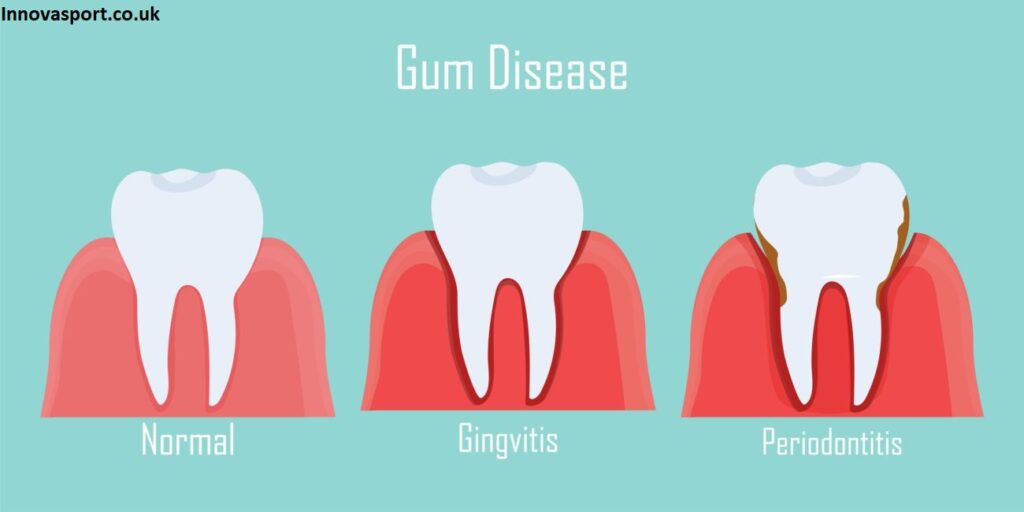
Plaque buildup in one area can cause inflammation in a single pocket before spreading elsewhere.
In my case, the culprit turned out to be a small piece of popcorn hull that had worked its way under my gumline. Totally invisible from the outside.
I had eaten popcorn three days before the pain started and genuinely didn’t connect the dots until my dentist pointed it out.
How to Tell What’s Going On (Before You See a Dentist)
You obviously can’t diagnose yourself at home, but there are some patterns that can help you understand the severity of what you’re dealing with.
Does it throb on its own, or only when you touch it?
Pain that throbs continuously — even when you’re not eating or touching the area — is more concerning. That can point to an abscess or infection where pressure is building.
Pain that only shows up when you press on it or eat is often a minor trauma, a sore, or a trapped food particle.
Is there any swelling or discoloration?
Run your tongue over the area or look in a mirror. If the gum looks puffy, raised, or has a small whitish bump, that changes things.
A white or yellowish bump on the gum can be a dental abscess — think of it like a pimple that your body is trying to drain. That one needs a dentist visit sooner rather than later.
Do you have a new dental restoration or recent work done?
A filling that’s slightly off, a new crown that’s altered your bite, or even a recent cleaning can irritate the surrounding gum tissue. Give it a few days — mild soreness after a cleaning is completely normal.
But if it keeps getting worse, call your dentist.
Is the pain at the very back of your jaw?
If the pain is at the far back of your mouth, especially if you’re in your late teens or early-to-mid twenties, there’s a real chance a wisdom tooth is trying to push through.
Wisdom teeth are notorious for causing intense, localized gum pain that comes and goes for months.
When to call a dentist immediately: If you have swelling in your jaw or face, a fever alongside gum pain, or a gum abscess that seems to be growing — don’t wait. Dental infections can spread and become serious.
What to Do Right Now to Get Some Relief
Okay, it’s 11pm and your dentist’s office isn’t open. Here’s what actually helps while you wait:
- Rinse with warm salt waterMix half a teaspoon of salt into a cup of warm water and gently swish for about 30 seconds. Salt water is genuinely anti-inflammatory and can help dislodge any trapped debris near the gumline. Do this two or three times a day. It’s not exciting, but it works.
- Check for trapped foodUse dental floss very gently around the painful area. Don’t force it or saw aggressively — just ease it down and do a small C-shape motion against both the tooth and gum side. If something comes out, you might have just found your culprit.
- Apply a topical numbing gel if neededOver-the-counter gels like Orajel contain benzocaine and can temporarily numb the area. These don’t fix anything, but they do make it easier to eat or sleep if the pain is distracting. Use sparingly.
- Take ibuprofen, not just acetaminophenIbuprofen (Advil, Motrin) is anti-inflammatory, which means it works better for gum pain than acetaminophen (Tylenol) alone. Follow the dosage on the bottle and don’t take it on an empty stomach.
- Avoid the trigger foods for nowHot food, cold food, acidic stuff like citrus or vinegar-based things — they all love to aggravate an already-irritated gum. Stick to soft, room-temperature food for a day or two.
- Keep the area clean, but be gentleDon’t avoid brushing because it hurts — bacteria love a neglected spot. Use a soft-bristled toothbrush and be gentler in that area, not absent. Neglecting it will make things worse over a few days.
The Things I Got Wrong (So You Don’t Have To)
Looking back, I made a few classic mistakes during those two weeks of suffering through it:
I brushed harder thinking I was “cleaning it out.” That was wrong. Aggressive brushing on irritated gum tissue just creates more micro-tears. Soft strokes, soft bristles. That’s it.
I stopped flossing near it because it hurt. Also wrong. Letting plaque accumulate in an already-inflamed area added insult to injury. The dentist could see exactly where I’d stopped flossing — a bit embarrassing.
I kept pressing on it with my tongue to “check if it still hurt.” Of course it still hurt. I was poking it constantly. Give the area a break.
Watch for these signs that it’s time to call your dentist
- Pain that’s getting worse day over day (not better)
- A visible bump, blister, or pustule on the gum
- Pain that wakes you up at night
- Swelling spreading toward your cheek or jaw
- Bad taste in your mouth that won’t go away
- Tooth sensitivity that wasn’t there before the gum pain started

What About Gum Pain That Keeps Coming Back?
If you treat your gum pain and it goes away but keeps returning in the same spot over weeks or months, that pattern matters.
Recurring pain in a single location can indicate a gum pocket — a space between the gum and tooth where bacteria keep accumulating — which is an early sign of gum disease that’s worth addressing before it gets worse.
It can also point to a cracked tooth you might not be aware of yet, or a filling that’s starting to fail. A dentist can probe that specific spot and figure out pretty quickly what’s happening.
The visit is way less scary than the Google spiral, I promise.
The Bottom Line After My Experience
Most localized gum pain has a fixable cause. A piece of food, a minor trauma, a canker sore, early irritation from plaque buildup — these are all things that either go away on their own within a few days or are easily handled with a dentist visit.
The mistake is ignoring it entirely and hoping it disappears. Salt water rinses, gentle flossing, keeping the area clean, and a bit of ibuprofen for the pain will get you through the first 48 hours.
If it’s not improving after three to four days, or if any of those warning signs show up — swelling, throbbing, visible abscess — call your dentist that week, not next month.
My mystery gum pain turned out to be a popcorn hull. My dentist removed it in about thirty seconds. I had spent two weeks eating lopsided, avoiding my left side, and mildly panicking. Lesson very much learned.

FAQ’s
What are the most common reasons my gum hurts in one spot?
There are several common reasons why your gum may hurt in one specific spot. Trapped food particles between teeth are one of the most frequent culprits, as they can cause pressure, irritation, and bacterial buildup. Aggressive brushing or flossing can also injure the delicate gum tissue, leading to localized soreness. Other common causes include a developing gum abscess, early-stage gum disease (gingivitis), a canker sore, or an erupting wisdom tooth. Identifying the exact cause is important, as each condition requires a different approach to treatment and care.
Can a trapped food particle cause gum pain in one spot?
Yes, absolutely. A small piece of food — such as a popcorn hull, seed, or food debris — can easily become lodged between your teeth or underneath your gumline. Once trapped, it creates pressure and becomes a breeding ground for bacteria, leading to inflammation, swelling, and localized pain. In some cases, if the food particle remains stuck for an extended period, it can even trigger a minor infection. Gentle flossing, rinsing with warm salt water, and using an interdental brush can often dislodge the particle and provide quick relief.
Could my gum pain in one spot be a sign of gum disease?
Yes, localized gum pain can be an early warning sign of gum disease, particularly gingivitis. When plaque and bacteria accumulate along the gumline, they cause inflammation, redness, tenderness, and bleeding — often starting in one specific area before spreading. If left untreated, gingivitis can progress to periodontitis, a more serious form of gum disease that affects the bone and tissue supporting your teeth. If your gum pain is accompanied by swelling, bleeding when brushing, or a bad taste in your mouth, it is important to schedule a dental appointment as soon as possible.
When should I see a dentist about gum pain in one spot?
You should see a dentist if your gum pain persists for more than one to two weeks, worsens over time, or is accompanied by other symptoms such as swelling, a visible bump or abscess, fever, difficulty chewing, or a bad taste in your mouth. While mild, temporary gum discomfort can often be managed at home, these warning signs suggest an underlying condition that requires professional attention. Delaying treatment for issues like a gum abscess or advanced gum disease can lead to more serious complications, including tooth loss and spreading infection.
What home remedies can help relieve gum pain in one spot?
Several home remedies can provide temporary relief from localized gum pain. Rinsing with warm salt water is one of the most effective and widely recommended remedies, as it reduces inflammation and kills bacteria naturally. Applying a small amount of clove oil to the affected area can also numb the pain due to its natural analgesic properties. A cold compress applied to the outside of the cheek can help reduce swelling and discomfort. Over-the-counter pain relievers such as ibuprofen can also ease inflammation. However, these remedies offer temporary relief only — a dental visit is essential for a lasting solution.
Conclusion
Gum pain in one spot may seem like a minor inconvenience, but it is your body’s way of signaling that something needs attention.
From a simple trapped food particle to a developing abscess or the early stages of gum disease, there are many possible causes behind that localized ache.
Understanding the root cause is the first and most important step toward finding effective relief and preventing the problem from escalating.
The good news is that most causes of localized gum pain are very treatable, especially when caught early.
Simple home remedies like warm salt water rinses, clove oil, and gentle oral hygiene practices can provide short-term comfort and support healing.
However, they should never replace a professional dental evaluation, particularly when symptoms persist or worsen.
Your oral health is deeply connected to your overall wellbeing. Ignoring persistent gum pain can lead to more serious conditions, including infection, bone loss, and tooth loss.
Make it a habit to monitor changes in your mouth, maintain a consistent oral hygiene routine, and visit your dentist regularly for checkups and cleanings.
Taking these small but meaningful steps today can save you from significant discomfort and costly treatments in the future. When in doubt, always seek professional advice.
About the Author