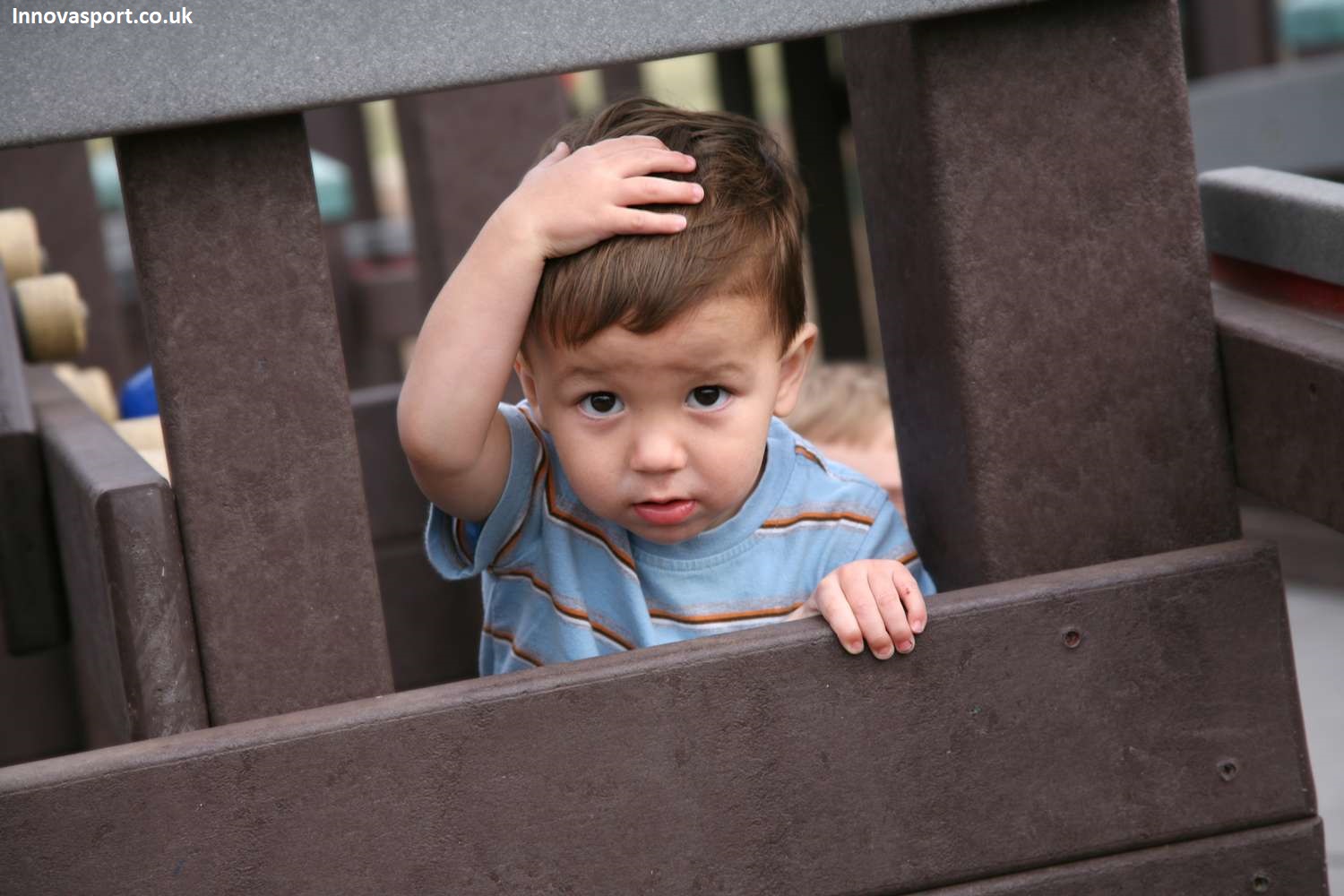
Why Is My Baby Hitting His Head With His Hands? Seeing your baby hit their head with their hands can be alarming, but in most cases it’s completely normal.
Babies often do this as a way to self-soothe, explore their own body, or release frustration when they lack the words to express themselves.
It’s especially common during teething, overtiredness, or moments of overstimulation. Some babies simply discover that the sensation is interesting and repeat it out of curiosity.
However, if the behavior is intense, frequent, or paired with developmental delays or social withdrawal, consult your pediatrician. Most of the time though — it’s just a phase.
Table of Contents
Quick Table
| # | Reason | Description |
|---|---|---|
| 1 | Self-Soothing | Repetitive motion helps babies calm themselves when overwhelmed or tired |
| 2 | Teething Pain | Discomfort from incoming teeth can cause babies to hit or rub their head |
| 3 | Frustration | Lacking verbal skills, babies express frustration physically through head hitting |
| 4 | Overstimulation | Too much noise or activity can trigger self-hitting as a coping mechanism |
| 5 | Curiosity | Babies explore cause and effect by discovering interesting sensations on their body |
| 6 | Overtiredness | Exhausted babies often resort to repetitive movements to wind themselves down |
| 7 | Attention Seeking | Babies quickly learn that hitting their head gets an immediate reaction from parents |
| 8 | Ear Infection | Pain or pressure in the ear can cause babies to hit the side of their head |
| 9 | Sensory Processing | Some babies seek extra sensory input through repetitive head-hitting movements |
| 10 | Developmental Concerns | Frequent intense head hitting paired with social withdrawal may warrant a pediatric evaluation |
Why Is My Baby Hitting His Head With His Hands?
I still remember the first time I noticed it.
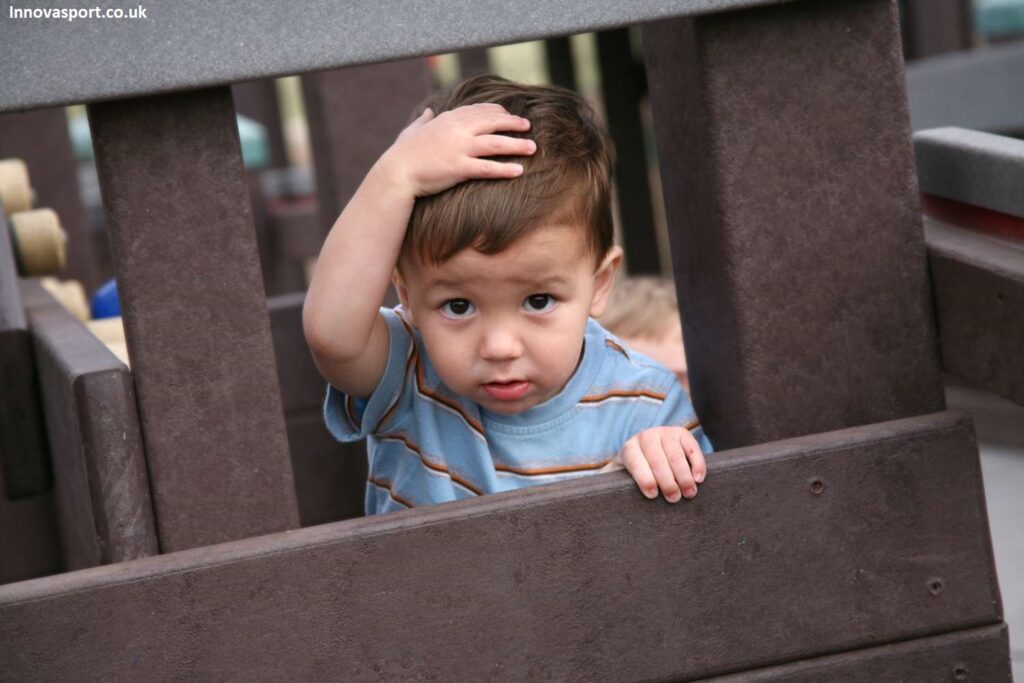
My son was about seven months old, sitting on his play mat, and he started slapping himself on the forehead — repeatedly, rhythmically, like he was keeping a beat only he could hear.
My stomach dropped. I grabbed my phone and started furiously Googling at 11 PM, convinced something was terribly wrong.
Spoiler: he was fine. But the three days of anxiety I put myself through before talking to our pediatrician? Completely unnecessary — and I want to save you from the same spiral.
So if you’re here because you just watched your baby smack his own head and you need answers, take a breath. Let’s talk through this properly.
First Things First: Is This Actually Common?
Yes. Way more common than any parenting book seems to mention, which is honestly a little frustrating.
Head-hitting in babies — whether with their hands, against the crib, or against the floor — is something pediatricians see regularly.
It usually shows up somewhere between 6 and 18 months, and it tends to look alarming to parents because, well, it is their baby hitting their own head.
But there’s almost always a reason behind it, and most of those reasons are completely normal developmental stuff.
The Most Common Reasons Babies Hit Their Heads
They’re Exploring Cause and Effect
This was the big one for my son. At around 6–8 months, babies start figuring out that their actions cause reactions.
They drop a spoon — it makes a noise. They splash — water flies. They hit their head — they feel something.
It’s essentially science. Baby science. Loud, slightly terrifying baby science.
This kind of self-directed head-patting or hitting is usually calm.
Your baby won’t look distressed. They might even look curious or satisfied, like they’re thinking “interesting… let me do that again.”
Self-Soothing
Some babies use rhythmic head movements or tapping to calm themselves down. It sounds counterintuitive — why would hitting yourself be soothing? — but the rhythm itself is what does it.
Think about how we rock babies to sleep. Rhythm is inherently calming to the nervous system. Some babies just figure out their own version of it, and that version happens to involve their hand and their forehead.
You’ll often see this kind of head-hitting during:
- Nap time or bedtime
- When the baby is overtired
- When they’re transitioning between sleep cycles
- When there’s a lot going on around them (overstimulation)
Teething
Oh, teething. The invisible monster of babyhood.
When those first teeth are pushing through, babies are dealing with pressure and pain in their gums, their jaw, and sometimes even their ears.
Hitting the side of the head or slapping the face can actually be a baby’s attempt to counter-pressure the discomfort.
My neighbor’s daughter did this constantly around 8 months, and the moment the tooth broke through, the head-hitting stopped cold. It was a clear-cut case.
They Want Your Attention
By about 9–10 months, babies have already figured out a lot about cause and effect — including the cause-and-effect of “I do something unusual and Mom comes running.”
If you’ve reacted with a big, dramatic response every time your baby hits his head (and I absolutely did this), there’s a real chance they’ve learned that this particular action gets immediate, intense attention.
Babies are smarter than we give them credit for.
Ear Infection or Discomfort
This one’s worth knowing: sometimes babies hit the side of their head — not the top or forehead — because their ear hurts. They can’t tell you, so they point to it the only way they can.
If the hitting is focused on one side, combined with fussiness, trouble sleeping, or tugging at that ear, it’s worth getting it checked out.

Frustration
As babies develop, they start wanting to do things they can’t quite do yet.
Reaching for something just out of reach. Trying to communicate something but not having the words. Wanting to move but not yet being able to crawl.
That frustration has to go somewhere. For some babies, it goes into head-hitting. It’s not self-harm in any psychological sense — it’s just a very immature (and effective, from their perspective) way of expressing “UGH.”
What I Did Wrong at First
When my son started doing this, I made a few classic mistakes.
Panicking loudly in front of him. My gasp and “oh no!” gave him an immediate, high-energy reaction. Guess what happened next? He did it again. And again.
Rushing to stop him every single time. Every interception became a reward — mama comes over, gives me physical attention, looks at me with big worried eyes. Amazing. 10/10 would hit head again.
Late-night doom-scrolling. The internet is a beautiful and terrible place. Within 20 minutes I had convinced myself my perfectly healthy child had a dozen different neurological conditions. I was wrong on all counts.
When Should You Actually Be Concerned?
Okay, here’s the honest part. Most of the time, baby head-hitting is nothing to worry about. But there are some signs that should prompt a call to your pediatrician:
- Head-hitting is accompanied by no eye contact, no social smiling, or no babbling. If your baby seems generally disconnected from the world around them, it’s worth discussing developmental milestones with your doctor.
- The behavior is escalating in intensity to the point where they’re actually hurting themselves, leaving marks, or you can see genuine distress (not just a fussy cry, but real, extended distress).
- It’s happening constantly throughout the day and doesn’t seem related to any obvious trigger.
- Your baby seems to be hitting their head in a very specific spot repeatedly and it’s paired with other pain signs like arching their back, refusing to eat, or high-pitched crying.
- There’s any regression in skills they’ve already gained — like they were babbling and then suddenly stopped, or they were meeting eye contact and now aren’t.
These aren’t reasons to panic, but they are reasons to have a conversation with your pediatrician rather than waiting it out.
Practical Steps That Actually Helped Us
Here’s what made a genuine difference once I stopped freaking out and started thinking clearly:
Stay calm when it happens. I know. Easier said than done. But your reaction teaches them whether this is a big deal. Neutral face, calm voice, no dramatic rushing over.
Redirect without making it a huge moment. If he’s hitting his head and I want him to stop, I’d quietly bring a toy into his field of view or gently guide his hands to something else. No lecture, no scolding, just a smooth redirect.
Look for the trigger. Keep a mental note (or an actual note) of when it happens. Before naps? After a busy outing? When hungry? Understanding the pattern helps you address the root cause rather than just the behavior.
Increase engagement if it seems attention-related. Sometimes babies do unusual things because they’re simply not getting enough one-on-one time. Floor play, reading together, narrating what you’re doing around the house — these all fill the attention tank.
Check for teething. Run a clean finger along the gum line. Look for redness, swelling, or that specific hard ridge under the gum that means a tooth is incoming. A chilled teething ring or teething gel (ask your pediatrician which they recommend) can make a big difference.
Talk to your pediatrician at your next regular visit — or sooner if you’re seeing the red flags I mentioned above. I wasted three days anxious when a two-minute phone call to the nurse line would have settled it immediately.
One More Thing No One Really Talks About
Parenting a baby is genuinely disorienting because you spend so much time watching this small person for signs of what they need, and sometimes what you see looks alarming even when it isn’t.
Head-hitting is one of those behaviors that triggers a primal alarm in parents. It should bother you — that instinct is there for a reason.
But it’s also important to remember that babies are doing hundreds of new things every week, and most of them look weird to adult eyes.
My son is almost two now. He went through the head-hitting phase for maybe six or seven weeks, and then he moved on to the next weird thing (throwing his food with real precision and apparent joy).
Every phase passes. Every phase teaches you something about reading your particular kid.

FAQ’s
Is it normal for babies to hit their head with their hands?
Yes, in most cases it is completely normal. Many babies hit their head with their hands as a way to self-soothe, explore their body, or cope with frustration. It typically appears between six and twelve months and usually fades on its own as the baby develops better communication skills.
Should I be worried if my baby hits their head repeatedly?
Occasional head hitting is rarely a cause for concern. However, if the behavior is very intense, happens constantly throughout the day, or is accompanied by other signs like lack of eye contact, speech delays, or social withdrawal, it is worth discussing with your pediatrician as soon as possible.
Can teething cause a baby to hit their head?
Absolutely. Teething creates significant discomfort that babies struggle to communicate. Hitting or rubbing their head is one way they instinctively respond to that pain and pressure, especially when teeth are actively pushing through the gums and causing localized aching around the jaw and ear area.
How do I get my baby to stop hitting their head?
Stay calm and avoid overreacting, as dramatic responses can reinforce the behavior. Instead, offer comfort, identify triggers like tiredness or overstimulation, and provide alternative sensory outlets such as soft toys or gentle rocking. Ensuring a consistent sleep routine can also significantly reduce the frequency of head hitting.
Could head hitting be a sign of autism?
Repetitive behaviors like head hitting can sometimes be associated with autism spectrum disorder, but this behavior alone is not a diagnosis. It must be evaluated alongside other developmental markers. If you notice social withdrawal, limited eye contact, delayed speech, or other concerns, consult your pediatrician for a proper developmental screening.
Conclusion
Watching your baby hit their head with their hands is one of those parenting moments that can send your heart racing — but in the vast majority of cases, there is absolutely no need to panic.
Babies are fascinating little explorers, and this behavior is often just one small part of how they learn about their bodies, manage big emotions, and navigate a world that is still very new and overwhelming to them.
Understanding the reasons behind the behavior is what transforms worry into wisdom.
Whether it’s teething discomfort, overtiredness, curiosity, or simply a self-soothing habit, most cases of baby head hitting resolve naturally as your child grows, develops language skills, and finds better ways to express what they’re feeling inside.
That said, no one knows your baby better than you do. If something feels off — if the behavior seems excessive, unusually intense, or is accompanied by other developmental red flags — trust that instinct and bring it to your pediatrician.
Early conversations are always better than delayed ones when it comes to your child’s development.
Parenting is full of moments that look scary on the surface but turn out to be perfectly normal milestones.
This is very likely one of them. Take a breath, stay observant, and know that you are already doing the right thing simply by paying attention.
About the Author