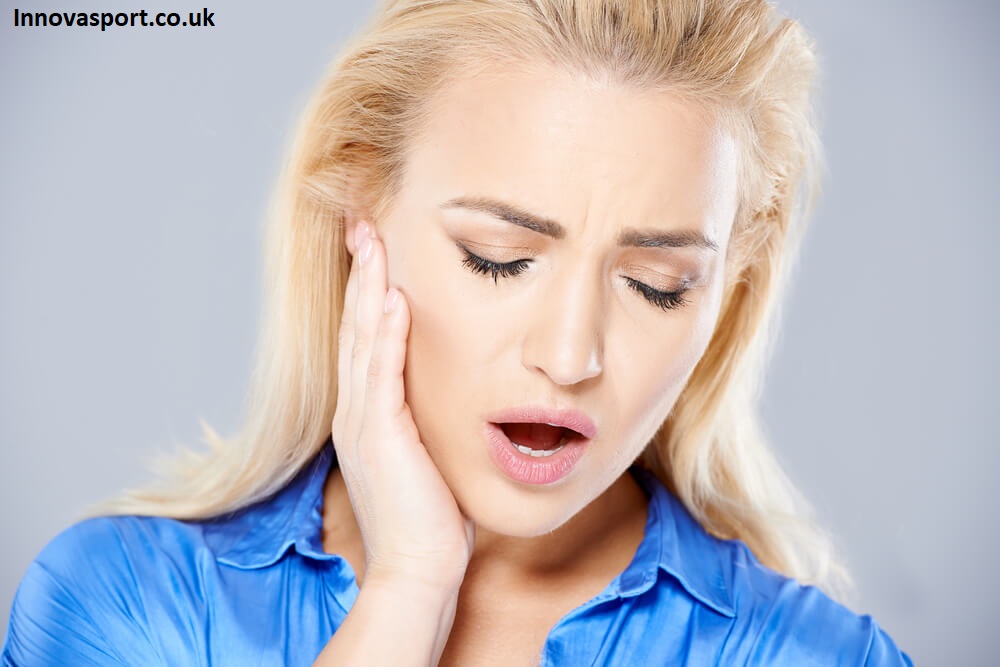
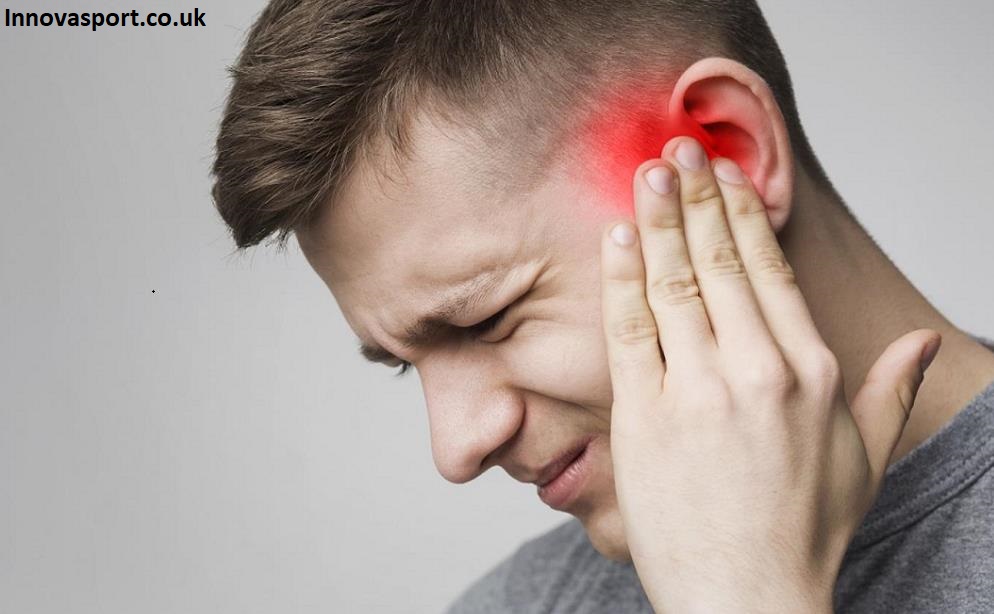
Why Does My Ear Hurt When I Chew? Ear pain while chewing is more common than most people realize and is usually linked to structures located very close to the ear.
Temporomandibular joint (TMJ) disorder is the most frequent cause, as this jaw joint sits directly in front of the ear canal. Ear infections can cause pain that intensifies with jaw movement.
Dental problems such as impacted wisdom teeth, cavities, or abscesses often radiate pain toward the ear.
Eustachian tube dysfunction affects pressure regulation and causes ear discomfort during chewing.
Arthritis in the jaw joint can also trigger pain. Persistent ear pain during chewing warrants a professional medical evaluation.
Table of Contents
Quick Table
| Cause | Details |
|---|---|
| TMJ Disorder | Jaw joint near ear causes pain during movement |
| Ear Infection | Inflammation intensifies with jaw movement |
| Dental Problems | Cavities, abscesses, or wisdom teeth radiate ear pain |
| Eustachian Tube Dysfunction | Affects pressure regulation causing ear discomfort |
| Arthritis in Jaw Joint | Inflammation triggers pain during chewing |
| Teeth Grinding (Bruxism) | Strains jaw muscles and causes referred ear pain |
| Sinus Infection | Sinus pressure radiates pain toward the ear |
| See a Doctor If… | Pain is persistent, severe, or affects hearing |
Why Does My Ear Hurt When I Chew?
A few years back, I started noticing this weird, dull ache right in front of my ear every time I bit into something.
At first I brushed it off — maybe I’d slept funny, maybe I’d been grinding my teeth during a stressful week at work.
But then it kept happening. Every sandwich, every apple, every time I chewed on the left side, that uncomfortable throb would show up uninvited.
I Googled it at 11 PM like most of us do, fell into a rabbit hole of scary medical terms, and genuinely started panicking. Turns out, I wasn’t dying.
But I did need to understand what was actually going on — and once I did, everything started making sense.
If you’re here because your ear hurts when you chew, you’re not alone, and there’s almost always a very explainable reason for it.
The Ear-Jaw Connection Nobody Tells You About
Here’s the thing that surprised me most: your ear and your jaw share a neighborhood.
They’re really close together anatomically, which means problems in your jaw can send pain signals straight to your ear — even if your ear itself is completely fine.
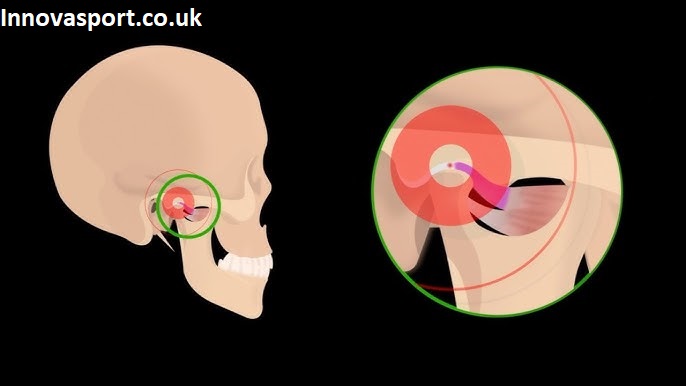
The joint that controls your jaw movement is called the temporomandibular joint, or TMJ. It sits right in front of your ear canal.
When you chew, open your mouth wide, or clench your teeth, this joint does all the work. When it’s irritated or inflamed — for any number of reasons — you feel it right there, near your ear.
That was my problem. My TMJ was unhappy with me.
But TMJ isn’t the only culprit. Let’s break down the most common reasons this happens.
Common Reasons Your Ear Hurts When You Chew
TMJ Disorder (TMD)
This is the big one. TMJ disorder affects a huge chunk of people — many of them don’t even realize it. The symptoms can include:
- Pain near the ear that gets worse when chewing
- A clicking or popping sound when you open your mouth
- Jaw stiffness, especially in the morning
- Headaches around the temples
- Sometimes, a locked jaw feeling
In my case, I’d been clenching my jaw at night (bruxism — fancy word for teeth grinding) without knowing it.
A dentist spotted the wear on my back molars during a routine checkup. That was my “aha” moment.
What helped me: A custom night guard from my dentist made a massive difference within a few weeks. It’s basically a soft plastic tray you wear while you sleep that stops you from clenching.
I also started doing jaw stretching exercises my dentist showed me — simple stuff, like gently opening and closing slowly, and side-to-side movements.
Ear Infection (Otitis Media or Otitis Externa)
Sometimes the pain really is coming from your ear — not referred pain from the jaw at all.
Middle ear infections (otitis media) and outer ear infections (swimmer’s ear / otitis externa) can both cause pain that spikes when you chew, because the movement changes pressure in and around the ear canal.
Signs it might be an ear infection:
- Feeling of fullness or pressure in the ear
- Muffled hearing
- Discharge from the ear
- Fever
- Pain that doesn’t go away between chewing — it’s more constant
I had a mild outer ear infection once after a long weekend swimming, and the ache when eating was a 7/10 on the annoyance scale. A course of antibiotic ear drops from my doctor cleared it up in about five days.
Impacted Wisdom Teeth
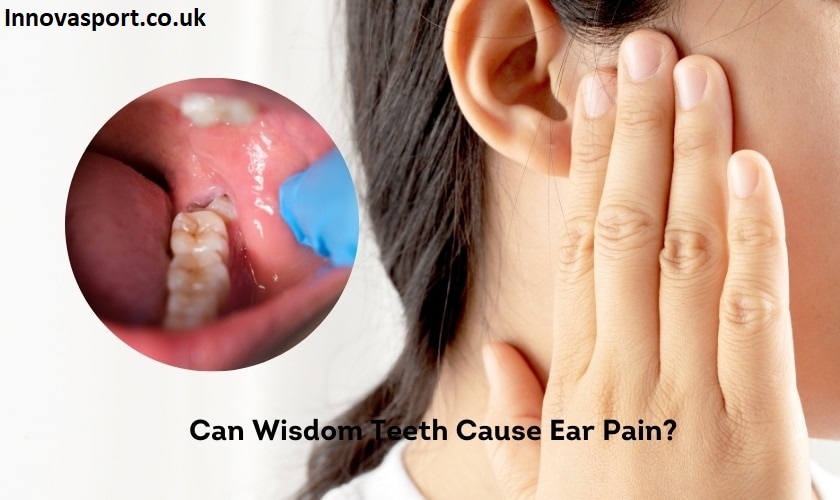
Oh, this one is brutal. If you have wisdom teeth that are coming in sideways, pushing against neighboring teeth, or just generally being terrible houseguests, they can cause radiating pain that travels up toward the ear.
I had a friend — late 20s, thought she was past the wisdom tooth danger zone — who went to the dentist complaining of ear pain for weeks.
Turned out her lower-left wisdom tooth was impacted and pressing on a nerve. Once it was removed, the ear pain was gone within days.
If you notice:
- Pain in the back of your jaw
- Swollen gums near your back molars
- Pain that’s worse on one side
…it’s worth getting an X-ray at the dentist to rule this out.
Dental Problems (Cavities, Abscess, Cracked Tooth)
A deep cavity, a cracked tooth, or a dental abscess can cause referred pain that travels to the ear. Nerves in the teeth and jaw are closely connected to nerves near the ear, so an angry tooth can make your ear hurt.
Red flags to watch for:
- Sensitivity to hot or cold that lingers
- Swelling in the gum or jaw
- A bad taste in your mouth (can signal abscess)
- Pain that’s throbbing and constant, not just when chewing
This is a “call your dentist today” situation, not a “wait and see” one. Dental abscesses can escalate fast.
5. Eustachian Tube Dysfunction
Your Eustachian tubes connect the middle ear to the back of your throat, and they help equalize pressure. When these tubes get congested — from allergies, a cold, or sinus issues — they can cause ear pain that shifts when you chew or swallow.
I dealt with this during a bad allergy season. Every meal felt like I was eating with a mild earache. Taking a daily antihistamine helped within a couple of days.
6. Parotid Gland Issues
This one’s less common, but worth mentioning. Your parotid glands are salivary glands that sit near your ear and jaw. When they get blocked or infected (parotitis), chewing — which stimulates saliva production — can trigger a sharp pain near the ear and jaw area.
Signs: swelling near the jaw angle, dry mouth, pain that spikes right when you start eating (especially sour or acidic foods that trigger saliva).
What I Actually Did — A Practical Step-by-Step
When my ear-jaw pain first got bad enough to deal with, here’s what I actually did, in order:
Ruled out an ear infection first. I made a quick telehealth appointment (I used my insurance’s app — takes about 10 minutes).
The doctor checked my symptoms, I described the location and pattern of pain, and we ruled out an active infection. No fever, no discharge, no hearing change = probably not an ear infection.
Went to my dentist. I described the pain and asked for a full check including X-rays. The dentist spotted the enamel wear from nighttime clenching and confirmed early TMJ tension.
No cavities, no abscess, no wisdom tooth issues — those were eliminated.
Got a night guard. It took about two dental visits — one for impressions, one to fit the guard. Cost me around $400 out-of-pocket since my insurance only partially covered it, but honestly worth every cent.
Did the jaw exercises daily. My dentist gave me a simple handout. Three exercises, twice a day, about five minutes total. Within two weeks, the morning stiffness was almost gone.
Made small lifestyle changes. I cut back on super chewy foods (goodbye, tough bagels) for about a month. I also started being more conscious of not clenching during stressful moments at my desk — I’d catch myself holding tension in my jaw constantly.
Mistakes I Made (So You Don’t Have To)
Ignoring it for too long. I let it go for maybe four months before taking it seriously. By then, my jaw was noticeably sore most mornings. Earlier intervention = easier recovery.
Self-diagnosing as an ear problem. I bought over-the-counter ear drops thinking it was an ear infection. They did absolutely nothing. Wasted two weeks and about $15.
Chewing mostly on one side to avoid pain. This made my TMJ worse because it put uneven stress on the joint. Turns out, this is a really common thing people do and it backfires.
Skipping the dentist and going straight to an ENT. Nothing against ENTs — they’re great — but my problem was dental/jaw-related. The ENT would’ve just sent me back. Starting with the dentist saved time.
When to See a Doctor — For Real
Most of the time, ear pain when chewing is annoying but not dangerous. But please don’t ignore these warning signs:
- Severe, worsening pain that doesn’t improve after a few days
- Swelling around your jaw, neck, or ear
- Fever with ear or jaw pain
- Difficulty opening your mouth or swallowing
- Sudden hearing loss on one side
- Pain after a dental procedure that’s getting worse, not better
These need same-day or urgent medical attention.
The Short Version
Your ear hurting when you chew is almost always connected to one of a handful of things: your jaw joint (TMJ), a dental issue, an ear infection, your wisdom teeth, or something blocking your Eustachian tubes.
Start with your dentist — they can rule out the most common culprits quickly and point you in the right direction. Most of these causes are very treatable. The night guard changed my life more than I expected. The jaw exercises felt silly at first but genuinely worked.
You’re not being dramatic. The jaw-ear area is genuinely complicated, and the pain is real. But there’s a very good chance this is fixable with the right information and a couple of appointments.
Go get it checked out. Future-you eating a crunchy apple without wincing will thank you.
FAQ’s
Is ear pain when chewing a sign of TMJ disorder?
Yes, TMJ disorder is the most common cause of ear pain during chewing. Since the jaw joint sits directly in front of the ear canal, any dysfunction in this joint can easily cause referred pain into the ear.
Can a dental problem cause ear pain when chewing?
Absolutely. Impacted wisdom teeth, cavities, tooth abscesses, and gum infections can all radiate pain toward the ear, making it feel like an ear problem when it is actually dental in origin.
Can ear pain when chewing go away on its own?
Mild cases caused by minor inflammation or temporary jaw strain often resolve on their own with rest and over the counter pain relief. However, persistent or worsening pain should always be professionally evaluated.
Does teeth grinding cause ear pain?
Yes, habitual teeth grinding or bruxism places significant strain on the jaw muscles and temporomandibular joint, which can lead to chronic ear pain, headaches, and jaw soreness over time.
How is ear pain during chewing treated?
Treatment depends on the cause and may include dental care, jaw exercises, anti-inflammatory medications, mouth guards for bruxism, or medical treatment for ear and sinus infections.
Conclusion
Ear pain when chewing is a symptom that many people dismiss or misunderstand, often assuming it is purely an ear problem when in reality it frequently originates from the jaw, teeth, or surrounding structures.
Because the temporomandibular joint, ear canal, and several nerves and muscles are all located in very close proximity to one another, pain in one area can easily radiate and be felt in another, making it challenging to identify the true source without proper evaluation.
TMJ disorder remains the leading cause of this type of pain, and it is far more widespread than most people are aware of.
Stress, poor posture, teeth grinding, and misaligned bites are all contributing factors that place unnecessary strain on the jaw joint over time.
Addressing these underlying habits and triggers is just as important as treating the symptoms themselves for long term relief.
The encouraging news is that most causes of ear pain during chewing are very treatable once properly diagnosed.
Whether the solution involves dental work, a custom mouth guard, physical therapy for the jaw, or medication for an infection, relief is absolutely achievable.
Do not ignore persistent ear pain during chewing, as early diagnosis and treatment can prevent the condition from becoming more serious and significantly impacting your daily quality of life.
About the Author