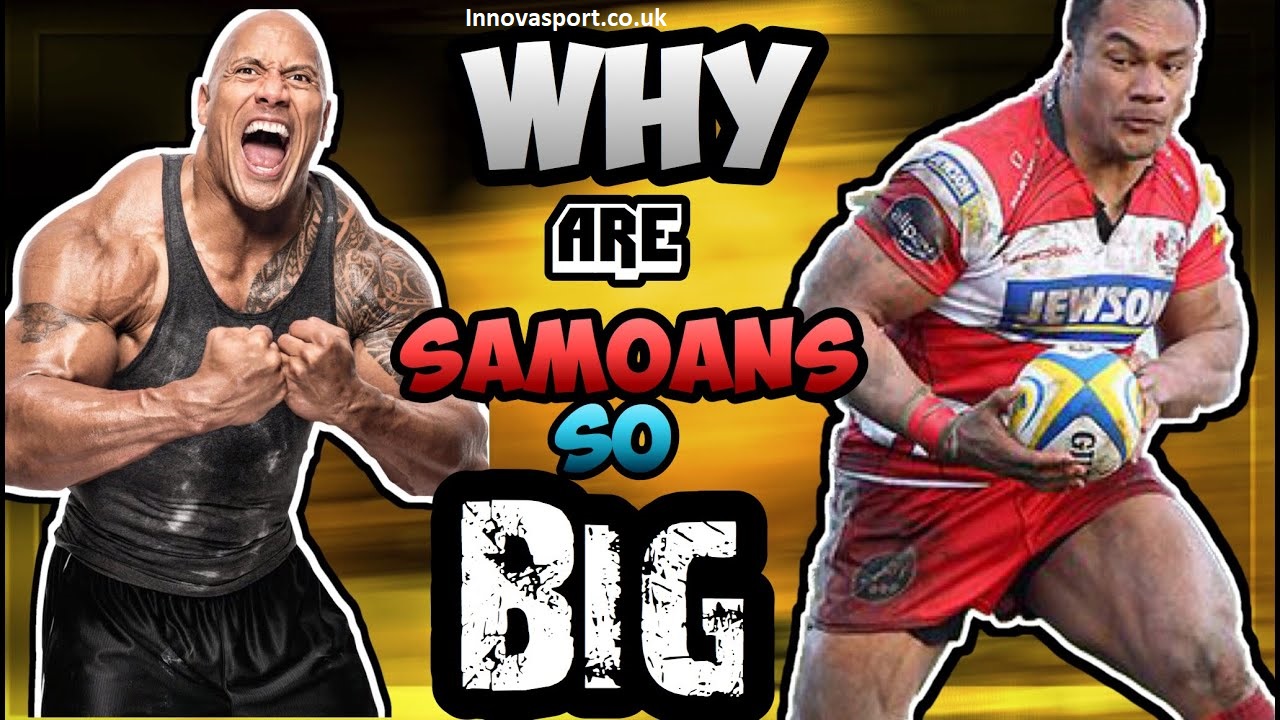
Why Are Samoans So Strong? Samoans are widely recognized for their remarkable physical strength, and several factors contribute to this reputation.
Genetics play a significant role. Many Samoans carry a natural predisposition toward greater muscle mass and a larger, more powerful body frame.
Research has identified specific gene variants more common in Polynesian populations that influence muscle composition and physical development.
Cultural tradition also matters deeply. Strength in Samoan culture is tied to identity, family honor, and community respect.
Physical labor, traditional practices, and a warrior heritage have shaped generations of powerful individuals.
Combined with diet, community support, and an athletic culture, Samoan strength is both biological and deeply cultural.
Table of Contents
Quick Table
| Factor | What it means | How it contributes | Type |
|---|---|---|---|
| Genetics | Gene variants common in Polynesian populations | Greater natural muscle mass and body frame size | Biological |
| Muscle composition | Higher ratio of fast-twitch muscle fibers | More explosive power and physical strength | Biological |
| Body frame | Naturally larger bone structure and build | Supports greater muscle development and force output | Biological |
| Warrior heritage | Generations of physical strength tied to survival | Strength bred into culture and identity over centuries | Cultural |
| Cultural pride | Strength linked to family honor and community respect | Motivates physical development from a young age | Cultural |
| Traditional labor | Farming, fishing, and building as everyday activity | Builds functional strength naturally through daily life | Cultural |
| Diet | Traditional high-protein, calorie-rich foods | Supports muscle growth and physical endurance | Environmental |
| Athletic culture | Strong presence in rugby, NFL, and combat sports | Community encouragement drives athletic achievement | Environmental |
Why are Samoans so strong?
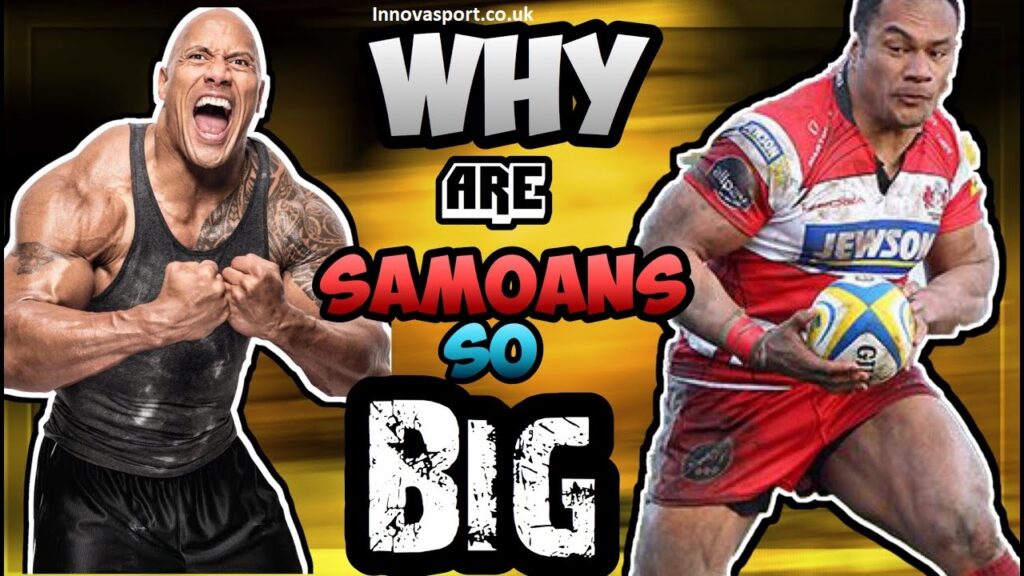
I remember the first time this question really hit me. I was watching an NFL breakdown video — one of those “top 10 hardest hitters of all time” compilations — and I started noticing something. Samoans.
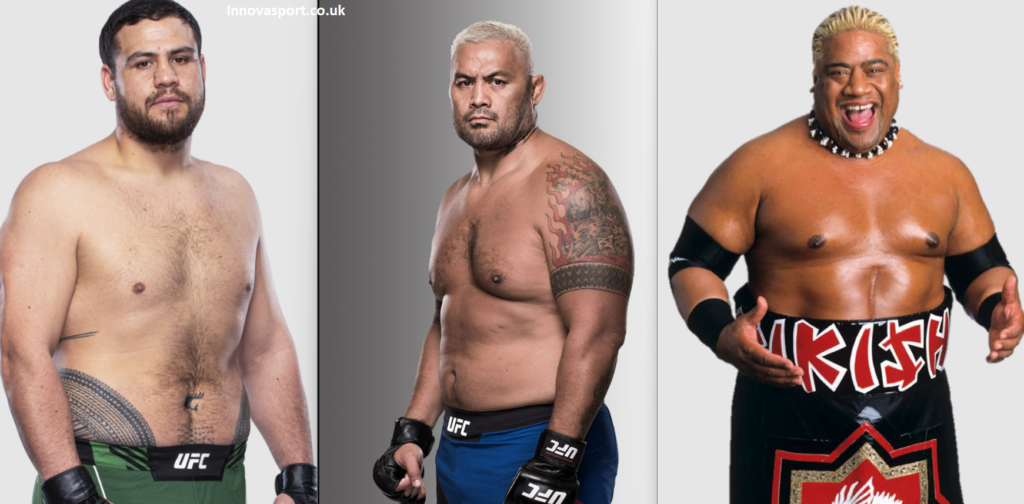
Everywhere. Troy Polamalu. Junior Seau. Haloti Ngata. Manu Vatuvei in rugby league. The list kept going and I genuinely stopped and thought: what is happening here?
Samoa has a population of roughly 220,000 people. To put that in perspective, that’s smaller than most mid-sized American cities.
And yet, Samoan athletes — or those of Samoan descent — punch so far above their weight in sports that statisticians have called it one of the most remarkable per-capita overrepresentations in professional athletics on the planet.
So naturally, I fell down a rabbit hole. I read studies, watched interviews with Samoan players and their families, and even talked to a Samoan-Australian rugby coach at a local club.
What I found wasn’t one clean answer. It was a layered mix of genetics, food culture, community values, and — honestly — some stuff that’s more complicated than I expected.
220K
population of Samoa
56×
more likely to play in NFL vs average American
~30+
Samoan or Samoan-descent NFL players active at any time.
The genetics piece — real, but not the whole story
Let’s talk about the science first because people either over-rely on it or dismiss it entirely, and both are wrong.
Researchers have identified that many Polynesian populations — including Samoans — carry a variant of the ACTN3 gene (sometimes nicknamed the “speed gene”) at higher frequencies than other populations.
This gene influences how fast-twitch muscle fibers develop. Fast-twitch fibers are the ones responsible for explosive power — the kind you need for a tackle, a sprint off the line, or a rugby scrum push.
There’s also research pointing to differences in average bone density and skeletal frame among Pacific Islander populations.
Denser, larger frames provide a structural base for more muscle mass and generate more force.
A 2018 study published in the International Journal of Sports Physiology and Performance noted that Polynesian athletes showed measurable differences in body composition compared to matched non-Polynesian counterparts, even when diet and training were controlled for.
“Genetics loads the gun. Culture pulls the trigger.” That’s how one Samoan-Australian strength coach described it to me, and I think it’s the most honest framing I’ve heard.
But here’s where I made my first mistake when researching this: I initially went looking for a singular genetic “superpower.” That’s not how genetics works. No single gene makes someone strong.
What genetics can do is create a favorable baseline — larger lung capacity, denser bone, more muscle fiber potential. What you do with that baseline is a completely different question.
The cultural engine — this is the part most people miss
When I talked to the Samoan-Australian coach — I’ll call him Faleolo because he asked me not to use his full name — he was pretty direct.
“When you grow up Samoan, you don’t train to be strong. You work to be strong. There’s a difference.”
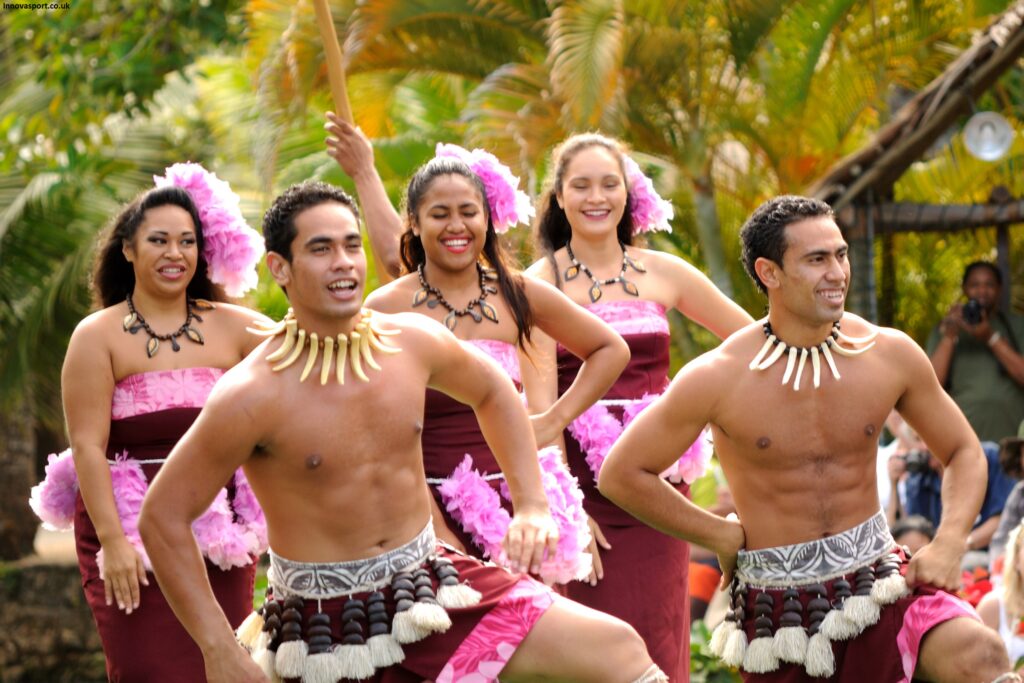
Samoan culture is rooted in a concept called fa’asamoa — “the Samoan way.” It encompasses values like collective responsibility, respect for elders and family, and a deeply held sense of duty to your community.
Physical contribution isn’t a gym aesthetic. It’s expected. Traditional village life involved farming, fishing, building, and caring for large extended family networks.
Physical labor wasn’t workout programming. It was Tuesday.
This matters because the neurological and muscular adaptations from consistent functional labor — the kind that starts in childhood — are different from anything you can replicate with a few years in a gym.
You’re building motor patterns, connective tissue, and structural strength over years and years of real-world loading.
Key cultural factors that researchers point to
- Extended family (aiga) structures that involve shared physical labor from a young age
- Church communities that traditionally promote discipline, routine, and collective effort
- A deep cultural respect for warriors and physical protectors — athletes often fill that role symbolically
- Team-first mentality that translates naturally to team sports
- Intergenerational modeling — if your uncle played rugby, the expectation was often that you would too
The diet factor — and where it gets complicated
Traditional Samoan diets were genuinely excellent for building strong bodies: taro, breadfruit, coconut, fish, and lean pork. High in complex carbohydrates, rich in protein, loaded with minerals.
The kind of diet a sports nutritionist would design if they were trying to fuel hard physical work.
But here’s where things get honestly complicated — and I think it’s important to say this clearly rather than gloss over it. Modernization has dramatically changed dietary patterns in Samoa and in diaspora communities.
The importation of processed foods, cheap fatty meats (turkey tails became infamous), and high-sugar drinks over the past several decades has contributed to serious public health challenges including elevated rates of obesity, diabetes, and cardiovascular disease.
This is a real tension in the narrative. The same body composition that produces world-class athletes can, under different dietary conditions, become a health liability.
Researchers have noted that the genetic tendency toward storing energy efficiently — which was adaptive in a subsistence lifestyle — can become problematic in a modern processed-food environment.
So the answer to “why are Samoans so strong” isn’t complete without acknowledging that the picture is more complex than a highlight reel.
The strength is real and remarkable. So is the public health challenge facing many Samoan communities. Both things are true.
The sport pipeline — how community shapes destiny
One thing Faleolo told me that I hadn’t read in any paper: “We don’t have to be talked into sport. Sport is how we stay connected to each other.”
In Samoan communities in New Zealand, Australia, and the United States — where large diaspora populations live — sport (particularly rugby league, rugby union, and American football) serves as a community anchor.
There are formal and informal youth leagues, church teams, and extended family networks that actively identify and develop physical talent from very young ages.
The coaching pipeline is real too. Former players become coaches. Coaches mentor the next generation.
There’s institutional knowledge being passed down in Samoan communities around how to train, how to play, and how to compete at high levels that doesn’t exist in a vacuum.
Compare that to a kid in a community with no sports infrastructure, no mentors who’ve played professionally, and no cultural expectation of athletic achievement.
The genetics might be equal, but the development environment is completely different.
What I got wrong at the start — and what it taught me
When I started this deep dive, I was looking for the neat answer. The single gene, the one cultural trait, the magic. I wanted a 60-second explanation I could give someone at a party.
What I found instead was a systems story. You have a genetic baseline that is genuinely favorable for power sports.
You have a culture that valued physical labor and collective contribution for centuries before anyone was watching highlight reels.
You have community infrastructure that identifies and develops athletic talent. You have intergenerational modeling. You have diet — traditional diet, anyway — that fueled hard physical work effectively.
Pull any one of those threads out and the phenomenon looks less impressive. It’s the combination, built over generations, that produces what we see on the field.
FAQ’s
Are Samoans genetically stronger than other ethnicities?
Research suggests that Polynesian populations, including Samoans, carry specific gene variants that predispose them toward greater muscle mass and larger body frames. However, genetics is only one piece of the picture — culture, diet, and environment play equally important roles in physical development.
Why are so many Samoans successful in professional sports?
Samoans are significantly overrepresented in sports like the NFL, rugby union, and combat sports. This comes down to a combination of natural physical attributes, a deeply competitive athletic culture, strong community support systems, and the motivation that sport provides as a pathway to opportunity.
Do all Samoans have the same physical build?
No. Like any population, Samoans vary widely in body type, size, and strength. While certain physical traits are more common, individual differences in lifestyle, diet, and activity levels mean that generalizations should always be made carefully and respectfully.
How does Samoan culture influence physical strength?
In Samoan culture, strength is deeply tied to concepts of service, family, and community honor. Physical capability has historically been associated with protecting and providing for loved ones — a value that continues to motivate athletic and physical development today.
Is the strength of Samoans only physical?
Far from it. Samoans are equally renowned for their mental resilience, spiritual strength, and fierce sense of community. The concept of “Fa’asamoa” — the Samoan way — emphasizes collective strength, respect, and identity that goes well beyond physical ability.
Conclusion
The strength of Samoans is one of the most fascinating intersections of biology, culture, and community in the world.
It cannot be reduced to a single explanation — and doing so would miss the richness of what makes this quality so remarkable and so deeply respected.
Genetically, Samoans carry traits that give many a natural advantage in size, muscle composition, and physical power. But genetics alone does not build champions.
What truly sets Samoan strength apart is the culture surrounding it — a culture that has honored physical capability for centuries, connecting it to identity, family, and community in ways that few other cultures do as powerfully.
From the rugby fields of New Zealand to the NFL stadiums of America, Samoan athletes have repeatedly proven that their strength translates across every level of competition.
Behind every athlete is a community that believed in them, a family that sacrificed for them, and a culture that gave their strength meaning.
That combination — biology fueled by culture, and culture fueled by pride — is what makes Samoan strength truly extraordinary.
About the Author