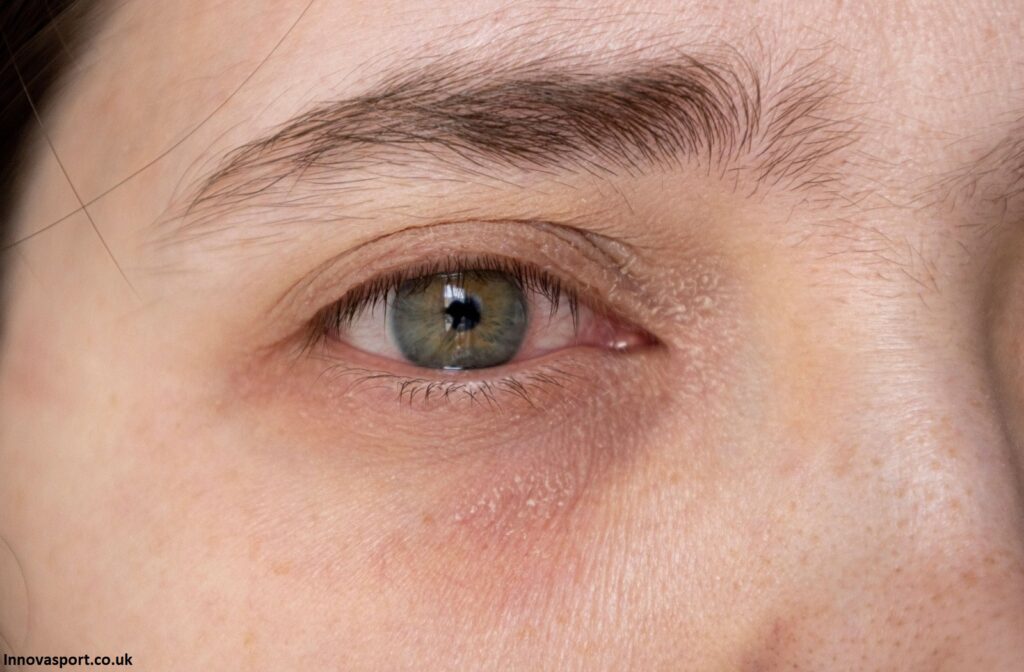
Why Are My Eyelids Dry? Dry eyelids are a common and uncomfortable condition with several possible causes.
Skin conditions like eczema, psoriasis, or contact dermatitis frequently affect the delicate eyelid skin.
Allergic reactions to makeup, skincare products, or eye drops can trigger dryness, flaking, and irritation.
Environmental factors such as cold weather, low humidity, or excessive screen time also contribute significantly.
Dehydration and poor diet lacking essential fatty acids can deprive skin of necessary moisture.
Aging naturally reduces skin oil production, making eyelids more prone to dryness.
Gentle moisturizing, avoiding harsh products, staying hydrated, and identifying allergens usually resolve mild cases. Persistent symptoms warrant a dermatologist consultation.
Flaky, itchy eyelids are more common than you think — and the fix is usually simpler than what your bathroom cabinet currently suggests.
Table of Contents
Quick Table
| Cause | Symptoms | Solution |
|---|---|---|
| Eczema / Psoriasis | Flaking, redness, irritation | See a dermatologist |
| Allergic Reaction | Swelling, itching, dryness | Identify & avoid allergens |
| Environmental Factors | Tightness, dryness, irritation | Use a humidifier, limit screen time |
| Dehydration | Dull, dry, flaky skin | Drink more water |
| Poor Diet | Dry, sensitive skin | Increase essential fatty acids |
| Aging | Reduced moisture, thin skin | Use gentle moisturizers |
| Harsh Skincare Products | Irritation, peeling, redness | Switch to fragrance-free products |
Why Are My Eyelids Dry?
Dry eyelids are a common and uncomfortable condition with several possible causes. Skin conditions like eczema, psoriasis, or contact dermatitis frequently affect the delicate eyelid skin.
Allergic reactions to makeup, skincare products, or eye drops can trigger dryness, flaking, and irritation.
Environmental factors such as cold weather, low humidity, or excessive screen time also contribute significantly.
Dehydration and poor diet lacking essential fatty acids can deprive skin of necessary moisture.
Aging naturally reduces skin oil production, making eyelids more prone to dryness.
Gentle moisturizing, avoiding harsh products, staying hydrated, and identifying allergens usually resolve mild cases. Persistent symptoms warrant a dermatologist consultation.
First, why eyelids dry out so easily
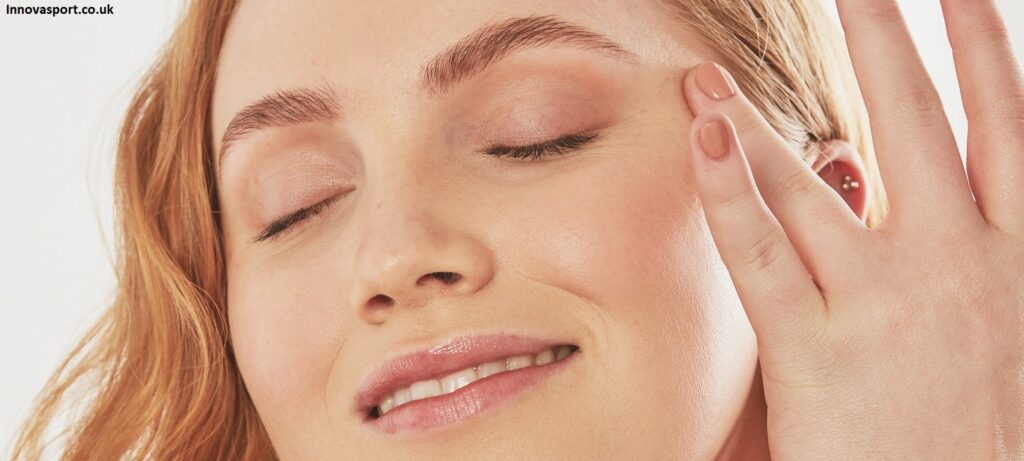
The skin on your eyelids is the thinnest on your entire body — roughly 0.5 mm thick, compared to 4 mm on your back.
That alone makes it extremely vulnerable to moisture loss. It also has fewer sebaceous (oil-producing) glands than most skin on your face, so it doesn’t self-lubricate as well.
Then layer on top of that all the things we do to our eyes every day — rubbing, blinking 15,000 times, applying makeup, removing makeup, contact lens wear, staring at screens in air-conditioned rooms — and it starts to make sense why eyelid dryness is so common.
The eyelid skin and the eye itself share the same drainage. Products that irritate the skin can also cause irritated eyes — which is why random moisturisers can backfire badly here.
The most common causes (and which one was mine)
There isn’t one single answer. Dry eyelids usually come from a specific cause or combination of causes, and figuring out which one matters a lot for treatment.
Low humidity & central heating
Heated indoor air is extremely dry. Winter is when most people notice symptoms for the first time.
Blepharitis
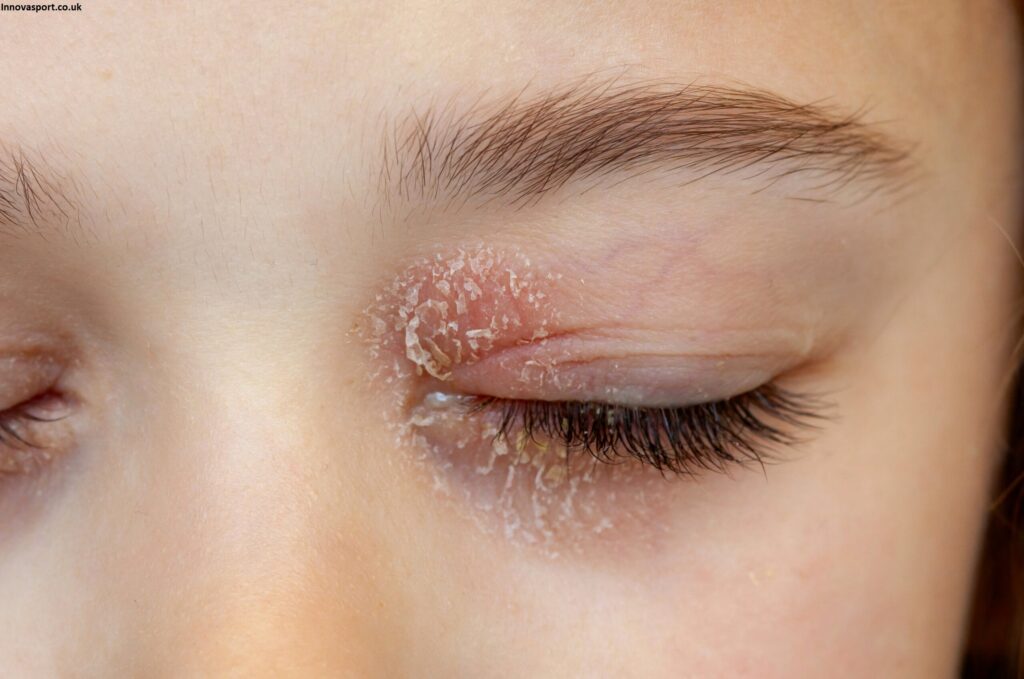
Inflammation at the eyelid margin — often caused by bacteria or blocked oil glands. Very common, very underdiagnosed.
Contact dermatitis
An allergic or irritant reaction — usually from makeup, skincare, or laundry detergent on pillowcases.
Eczema (atopic dermatitis)
The eyelid area is a hotspot for eczema flares, especially in people who already have dry or sensitive skin elsewhere.
Screen time & reduced blinking
When we stare at screens we blink far less, which dries the eye surface — and eventually affects the eyelid skin too.
Medications & antihistamines
Antihistamines, antidepressants, and certain blood pressure meds all list dry eyes and skin as side effects.
Mine turned out to be a mix: cold weather drying out my skin, plus — and this surprised me — my eye makeup remover.
I’d been using a micellar water that contained alcohol, and applying it with a cotton pad that I’d been rubbing (not pressing). Rubbing thin eyelid skin with alcohol-soaked cotton is, apparently, a perfect recipe for a dry-skin disaster.
How to actually fix dry eyelids (step by step)
This isn’t a “drink more water” situation. The fixes are specific, and some of them are counterintuitive.
- Identify your trigger first. Did symptoms appear after starting a new product? After a change in weather? After increasing screen time? Timing is your best diagnostic tool. Stop any new products introduced in the last two to four weeks and see if things improve.
- Switch to a fragrance-free, ophthalmologist-tested eye cream or gel. Products like CeraVe Eye Repair Cream, La Roche-Posay Toleriane Eye Cream, or Simple Kind to Eyes Eye Cream are designed for this specific skin. They contain no alcohol, no fragrance, and no sensitising preservatives.
- Apply with your ring finger, not your index finger. Your ring finger exerts the least natural pressure — important when you’re dealing with inflamed skin. Dab gently inward to outward; don’t rub in circles.
- Sort your makeup remover. Switch to a micellar water without alcohol, or better yet, use a gentle cleansing oil or balm that dissolves mascara without requiring friction. Press a soaked pad against the eye for 10 seconds, then gently slide downward — never rub side to side.
- Add a humidifier to your bedroom. This was genuinely the biggest single change for me. Running a basic ultrasonic humidifier (Levoit and Vicks make solid budget options) at 40–50% humidity while sleeping transformed how my skin felt by morning. Eyelid skin repairs itself at night — give it the right environment.
- Apply a thin layer of plain Vaseline (petroleum jelly) at night if things are really bad. This sounds old-fashioned and slightly alarming, but dermatologists call it “slugging” and it’s well supported. A tiny amount — smaller than a grain of rice — pressed very gently onto closed lids creates an occlusive barrier that locks in whatever moisture is there. Wash it off in the morning.
- Take screen breaks using the 20-20-20 rule. Every 20 minutes, look at something 20 feet away for 20 seconds. It forces a full blink cycle, which redistributes the tear film and reduces the drying effect on eyelid skin.
Products that actually helped me
I’ve tried quite a few things at this point. These are the ones I’d actually recommend based on personal use — not just marketing claims.
CeraVe Eye Repair CreamBioderma Sensibio H2O (micellar water)La Roche-Posay Toleriane Eye CreamPlain Vaseline (night barrier)Levoit humidifierSystane Ultra lubricant eye dropsSimple Kind to Eyes Eye Cream
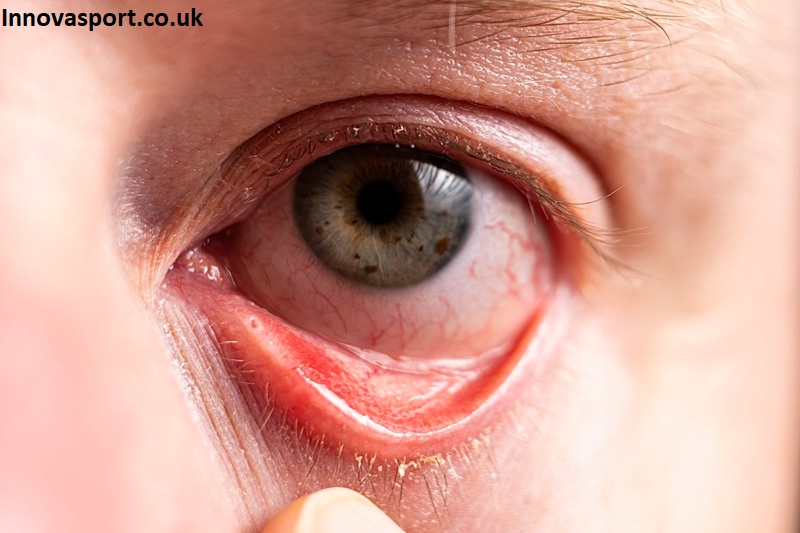
One thing worth mentioning: if your symptoms are specifically at the lash line — crusty in the morning, itchy along the rim — that’s much more likely to be blepharitis than plain dryness.
In that case the fix is a daily warm compress (a clean cloth soaked in warm water, held against closed lids for five minutes) plus a lid-specific cleanser like Blephasol or Ocusoft.
General moisturisers won’t really touch blepharitis.
Mistakes I made that made everything worse
avoid these
- Using regular face moisturiser on eyelids — most contain fragrances or actives (like AHAs, retinol) that irritate eye-area skin badly
- Rubbing my eyes when they were itchy — this causes more micro-tears, worsens the dryness cycle, and can even cause lash loss over time
- Using hydrocortisone cream without medical guidance — steroid creams on the face (especially eyelids) can cause thinning of already-thin skin and even cataracts with prolonged use
- Switching ten products at once — I did this in desperation and had no idea which thing (if anything) was working
- Assuming it was the same as dry eye syndrome — dry eyelids and dry eyes often go together but are different conditions that sometimes need different treatments
When to actually see a doctor
Most dry eyelid cases clear up with the above changes within one to two weeks. But there are certain signs that mean you should stop guessing and get a professional opinion:
See a GP or dermatologist if you notice significant swelling, pain rather than just itching, any change in vision, crusting along the lash line that keeps coming back, or if symptoms have been ongoing for more than three weeks without improvement. Persistent cases might be rosacea affecting the eyes (ocular rosacea), psoriasis, or a fungal infection — none of which respond to moisturiser.
An optometrist is also a good first call if your eye surface feels gritty or uncomfortable, since that can point to a meibomian gland issue (the oil glands at the lash line that keep your tear film stable) rather than a skin problem.
If you wear contact lenses and have dry eyelids, mention both to your optometrist together — the conditions interact, and your lens type or solution might need to change.
The thing nobody tells you
Patience is genuinely part of the treatment. The eyelid skin barrier takes time to rebuild — usually around four to six weeks of consistent gentle care before you see major improvement.
That’s frustrating when your eyes look like you’ve been crying in a desert, but every time I rushed and added a new product or tried something stronger, I set myself back.
The boring advice — gentle cleanser, appropriate eye cream, humidifier, no rubbing — sounds too simple. But it works, and it works because it addresses the actual problem:
impaired skin barrier from a combination of environmental factors and habitual irritation.
I’ve been symptom-free for about five months now. The two changes that made the biggest difference were switching my makeup remover and adding the humidifier.
Your root cause might be completely different, but the detective work is worth it — because once you find and fix the actual trigger, this is very rarely something you have to live with long-term.
FAQ’s
Can dry eyelids be a sign of something serious?
Usually not, but persistent dryness may indicate an underlying skin condition like eczema or psoriasis that requires medical attention.
What is the best moisturizer for dry eyelids?
Use fragrance-free, hypoallergenic creams designed for sensitive skin. Petroleum jelly and ceramide-based moisturizers work particularly well on delicate eyelid skin.
Can makeup cause dry eyelids?
Yes — certain eye shadows, mascaras, and eyeliners contain harsh chemicals or fragrances that trigger allergic reactions and dryness.
How long does it take for dry eyelids to heal?
Mild cases typically improve within a few days with proper moisturizing and allergen avoidance. Severe cases may take several weeks.
Should I see a doctor for dry eyelids?
Yes, if symptoms persist beyond two weeks, worsen, or are accompanied by significant swelling, pain, or vision changes.
Conclusion
Dry eyelids may seem like a minor inconvenience, but they can significantly impact your comfort, confidence, and daily life.
The delicate skin around your eyes is thinner and more sensitive than anywhere else on your body, making it particularly vulnerable to environmental triggers, allergens, and underlying skin conditions.
The good news is that most cases of dry eyelids are entirely manageable with simple lifestyle adjustments.
Switching to fragrance-free skincare products, staying properly hydrated, eating a diet rich in essential fatty acids, and protecting your skin from harsh weather can make a remarkable difference.
A gentle, consistent moisturizing routine goes a long way in restoring and maintaining eyelid health.
However, it is equally important to listen to your body. If dryness persists, spreads, or is accompanied by swelling, pain, or vision disturbances, seeking professional medical advice is the right step.
A dermatologist or ophthalmologist can accurately diagnose underlying conditions like eczema, psoriasis, or blepharitis and recommend targeted treatments.
Your eye health is precious — never ignore persistent symptoms. With the right care, attention, and professional guidance when needed, healthy, comfortable eyelids are absolutely achievable.
Start with small changes today and give your skin the gentle care it deserves.
About the Author