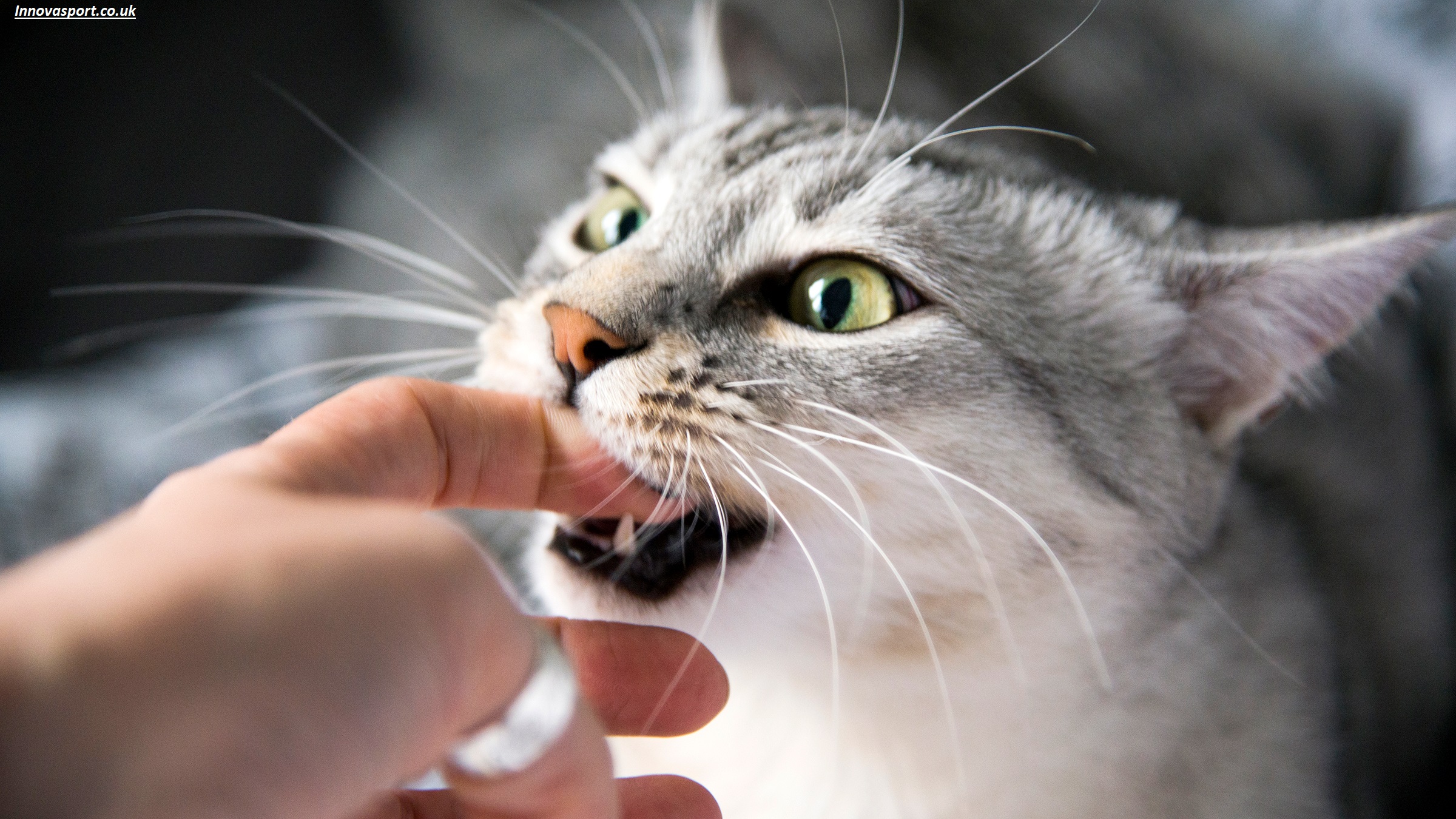
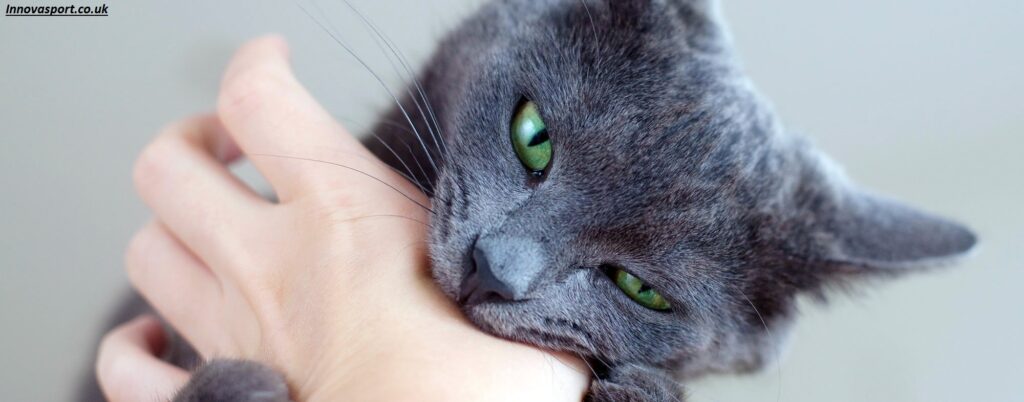
Why does my cat bite me? you’re not alone. Cat biting is one of the most common feline behavior concerns among pet owners.
Some bites are playful and harmless, while others may signal fear, stress, pain, overstimulation, or territorial aggression.
Understanding the reason behind the behavior is essential because cats rarely bite “for no reason.” Most feline bites are forms of communication.
Cats use body language, vocalizations, scent marking, scratching, and biting to express emotions and boundaries.
A kitten may bite during play because it is practicing hunting skills, while an adult cat may bite after too much petting due to overstimulation.
Sudden aggression can even point to hidden medical issues such as arthritis, dental pain, or anxiety.
Learning how to recognize triggers and warning signs helps prevent injuries and improves your relationship with your cat.
This guide explains the different types of cat bites, common causes, medical explanations, behavior signals, and proven strategies to stop biting safely.
Whether you have a playful kitten, an anxious rescue cat, or an older cat with changing behavior, understanding feline psychology can help create a calmer and safer home environment for everyone.
Table of Contents
Quick Table
| Topic | Key Insight |
|---|---|
| Play biting | Common in kittens and bored indoor cats |
| Sudden biting during petting | Often caused by overstimulation |
| Aggressive biting | Usually linked to fear, pain, or stress |
| Love bites | Gentle nips used as social communication |
| Medical causes | Arthritis, dental disease, injuries, anxiety |
| Best prevention | Enrichment, positive reinforcement, routine play |
| Warning signs | Tail flicking, flattened ears, dilated pupils |
| Dangerous bites | Deep puncture wounds require medical care |
| Training method | Redirect behavior instead of punishment |
| When to see a vet | Sudden aggression or pain-related changes |
Why Cats Bite Humans
Cats bite humans for several behavioral, emotional, and physical reasons. Unlike humans, cats cannot verbally communicate discomfort, stress, excitement, or fear.
Instead, they rely heavily on body language and instinctive behaviors. Biting is often a cat’s way of setting boundaries or responding to stimulation.
One of the most common reasons cats bite is play aggression. Cats are natural predators with strong hunting instincts.
Chasing, pouncing, grabbing, and biting are all part of normal feline play behavior. Indoor cats especially may redirect unused energy toward human hands, feet, or ankles.
Fear is another major cause of biting. A frightened cat may bite when cornered, restrained, startled, or exposed to unfamiliar people or animals. Stressful situations like moving homes, loud noises, or introducing a new pet can also increase defensive aggression.
Some cats bite because they become overstimulated during petting. While they may initially enjoy affection, repetitive touching can become irritating. This is commonly called petting-induced aggression.
Medical issues are also important to consider. Pain from arthritis, dental disease, injuries, or neurological conditions can make even gentle cats react aggressively when touched.
Understanding the context surrounding the bite is critical. Observing your cat’s environment, triggers, and body language can help identify the real reason behind the behavior and guide the best solution.
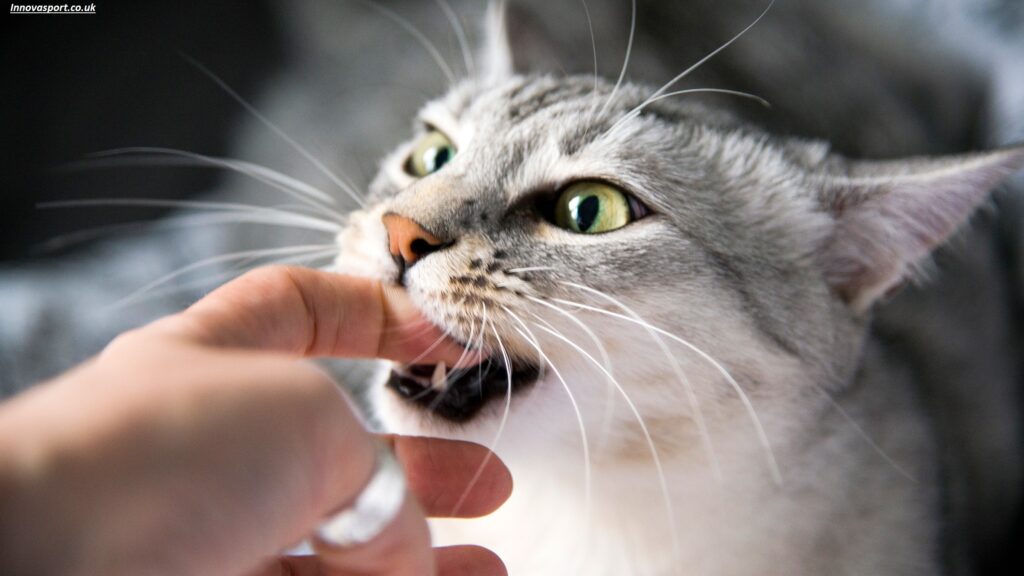
Different Types of Cat Bites
Not all cat bites mean the same thing. Understanding the different types of bites can help determine whether the behavior is playful, defensive, affectionate, or medically concerning.
The context, body posture, and severity of the bite all provide important clues.
Play bites are common in kittens and young cats. These bites are usually gentle and occur during chasing, wrestling, or stalking behavior.
Cats practicing hunting instincts often grab with their paws while nibbling lightly. Although playful, these bites should still be redirected toward toys rather than human skin.
Love bites are soft nips that some cats use during grooming or affectionate interactions. They are usually brief and do not break the skin. Cats sometimes mimic the social grooming behaviors they use with other cats.
Fear bites are defensive reactions. A scared cat may hiss, flatten its ears, crouch low, and bite if it feels trapped or threatened.
These bites can be severe because the cat believes it is protecting itself.
Petting-induced bites happen when a cat becomes overstimulated during physical affection. Many owners misunderstand these bites because the cat seemed relaxed moments earlier.
Redirected aggression bites occur when a cat becomes agitated by another animal or stressful event and attacks the nearest target instead.
Pain-induced biting can happen suddenly if touching a painful area causes discomfort. Older cats and injured cats are especially vulnerable to this type of reaction.
Common Reasons Your Cat Bites You
Cats bite for a variety of emotional, behavioral, and physical reasons. Understanding the root cause is the first step toward reducing or eliminating the behavior.
Most cats are not acting out of “spite” or meanness. Instead, they are responding instinctively to a situation.
One major reason is boredom and lack of stimulation. Indoor cats without enough play opportunities may develop excess energy and redirect predatory instincts toward people. This often appears as ankle attacks or sudden ambushes.
Overstimulation during petting is another frequent cause. Some cats have a low tolerance for repeated touch, especially around sensitive areas like the belly or tail base. A cat may seem content and then suddenly bite as a warning to stop.
Fear and anxiety also commonly trigger biting. Cats that feel cornered, threatened, or overwhelmed may use aggression as self-defense. Loud households, unfamiliar visitors, dogs, and stressful environmental changes can increase fear-based reactions.
Territorial behavior may emerge in multi-cat households or when outdoor animals are visible through windows. Cats are naturally territorial and may react aggressively when they perceive an intrusion.
Medical pain should never be ignored. Sudden aggression in a previously calm cat often indicates discomfort or illness.
Finally, learned behavior plays a role. Cats that were encouraged to play with hands as kittens may continue biting into adulthood because the behavior was unintentionally rewarded.
Playful vs Aggressive Biting
Understanding the difference between playful and aggressive biting is extremely important for cat owners.
Although both behaviors involve teeth and claws, the emotional motivation behind them is very different. Misreading the signals can accidentally reinforce aggression or create fear.
Playful biting usually appears in young, energetic cats and kittens. It is connected to hunting instincts and interactive play. Cats may stalk, pounce, grab, and gently bite moving hands or feet.
During playful behavior, the body posture is often loose and energetic rather than tense. Ears usually remain upright, and vocalizations are minimal.
Aggressive biting, however, is more intense and emotionally charged. A fearful or angry cat may hiss, growl, flatten its ears, puff up its tail, or maintain a stiff body posture before attacking. These bites are often deeper and more forceful.
Play aggression generally happens during excitement or boredom, while aggressive biting is commonly linked to fear, stress, territorial conflict, pain, or overstimulation.
Another key difference is recovery time. A playful cat often calms down quickly after redirection to a toy. An aggressive cat may remain tense, defensive, or avoid interaction even after the event ends.
Recognizing the distinction helps owners respond appropriately. Playful biting should be redirected toward toys and structured exercise.
Aggressive biting requires identifying emotional triggers, reducing stress, and sometimes seeking veterinary or behavioral support if the behavior escalates.
Why Cats Suddenly Bite While Being Petted
Many cat owners experience a confusing situation where a cat appears relaxed and affectionate one moment, then suddenly bites during petting.
This behavior is commonly known as petting-induced aggression or overstimulation aggression. Despite the suddenness, cats usually display subtle warning signs before biting.
Cats have highly sensitive nerve endings beneath their fur. Repetitive touching can eventually become uncomfortable or overwhelming, even if the interaction started positively.
Every cat has a different tolerance level for physical affection. Some enjoy long cuddle sessions, while others prefer only brief contact.
Common sensitive areas include:
- Belly
- Lower back
- Tail base
- Hind legs
As overstimulation builds, the cat may show signs such as:
- Tail flicking
- Skin twitching
- Ear rotation
- Dilated pupils
- Sudden body stiffness
Owners often miss these subtle signals until the bite occurs.
The best way to prevent petting aggression is to learn your cat’s tolerance threshold. Keep petting sessions short and stop interaction before warning signs appear. Allow the cat to initiate and end contact voluntarily.
Punishing the cat for biting usually worsens trust and anxiety. Instead, calmly end the interaction and give the cat space.
Understanding boundaries is essential.
Many cats enjoy companionship but dislike prolonged handling, especially when stressed, tired, or overstimulated by environmental activity.
Why Kittens Bite So Much
Kittens bite frequently because biting is a natural part of feline development. Young cats explore the world using their mouths and paws in the same way human babies use their hands.
Biting also helps kittens practice hunting skills they would normally use in the wild.
During play, kittens learn:
- Stalking
- Pouncing
- Chasing
- Grabbing
- Biting
This behavior is instinctive and important for coordination and confidence building. However, if not redirected properly, playful biting can become a long-term habit.
Teething is another major reason kittens bite. Between roughly 3 and 6 months of age, kittens experience gum discomfort as adult teeth emerge. Chewing and nibbling help relieve irritation.
Kittens separated from littermates too early may bite harder because they missed important social lessons. Normally, littermates teach bite inhibition by stopping play when biting becomes painful.
Indoor kittens with limited stimulation may also bite more due to boredom and excess energy. Without interactive toys or climbing opportunities, humans become substitute prey targets.
To reduce kitten biting:
- Use wand toys instead of hands
- Provide regular play sessions
- Offer chew-safe toys
- Reward calm behavior
- Stop play briefly after hard bites
Avoid yelling, hitting, or roughhousing. Punishment can create fear and increase defensive aggression.
With consistency, most kittens naturally improve their bite control as they mature and learn appropriate play boundaries.
Medical Causes of Cat Biting
Medical issues are one of the most overlooked causes of sudden cat aggression and biting. A cat experiencing pain, illness, or neurological discomfort may react defensively when touched or approached.
If a previously friendly cat suddenly begins biting, a veterinary examination is important.
Dental disease is a common trigger. Cats with painful teeth or gum infections may bite when their head or mouth area is touched.
Arthritis is another major issue, especially in older cats. Lifting, petting, or handling sore joints can provoke defensive reactions.
Other medical conditions linked to biting include:
- Injuries
- Ear infections
- Skin irritation
- Hyperthyroidism
- Neurological disorders
- Cognitive decline
- Hyperesthesia syndrome
Hyperesthesia syndrome causes sudden skin sensitivity, twitching, and agitation. Cats with this condition may abruptly bite during touch due to abnormal nerve sensations.
Pain-related aggression is often misunderstood as “bad behavior.” In reality, the cat may simply be trying to avoid discomfort.
Watch for additional warning signs such as:
- Hiding
- Limping
- Reduced appetite
- Weight loss
- Increased vocalization
- Changes in grooming
Senior cats deserve extra attention because chronic pain is common with aging.
Treating the underlying medical problem frequently improves behavior dramatically.
Veterinarians may recommend pain management, dental treatment, anxiety reduction strategies, or further diagnostic testing depending on the symptoms and severity of aggression.
Cat Body Language Warning Signs
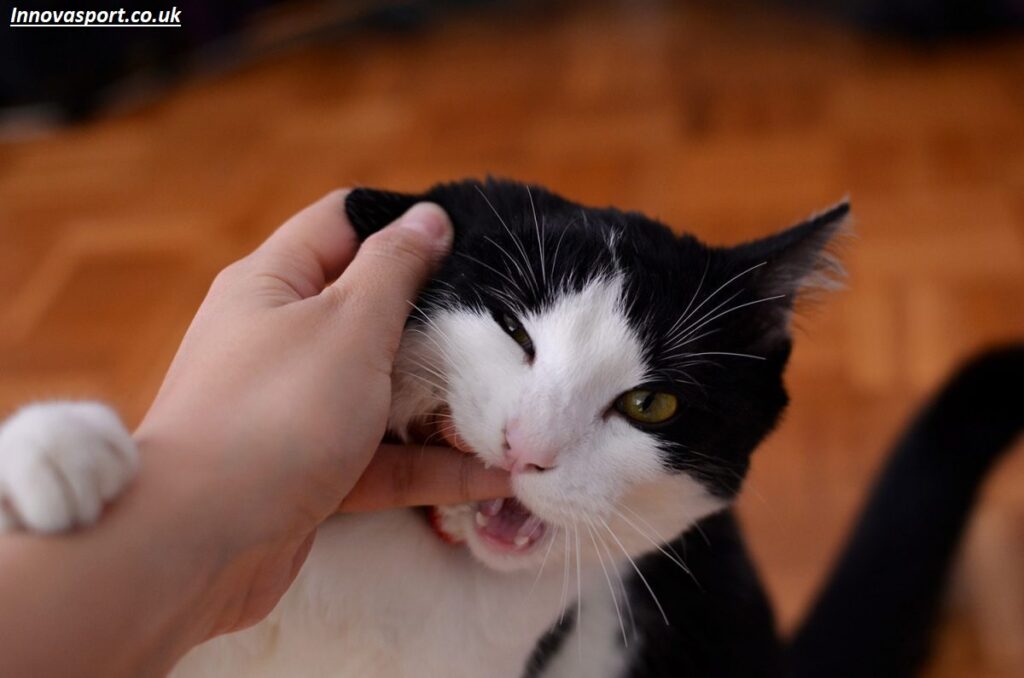
Cats almost always give warning signals before biting, but many humans fail to recognize them. Learning feline body language can prevent injuries and reduce stress for both the cat and owner.
Cats communicate emotions primarily through posture, facial expression, tail movement, and ear position.
One early sign of irritation is tail movement. A gently swaying tail may indicate focus, but rapid flicking often signals annoyance or agitation. If petting continues after tail flicking begins, the risk of biting increases.
Ears also reveal emotional state. Relaxed cats usually hold their ears upright and forward. Flattened or sideways ears indicate fear, defensiveness, or overstimulation.
Dilated pupils are another important clue. Large pupils can appear during excitement, fear, or aggression. Combined with tense posture, they often signal emotional arousal.
Additional warning signs include:
- Skin twitching
- Sudden freezing
- Low crouching
- Stiff body posture
- Growling or hissing
- Swatting
- Puffed fur
Cats experiencing fear may try to escape before resorting to biting. Cornering or forcing interaction can escalate aggression rapidly.
Understanding these signals allows owners to stop interactions early and avoid triggering defensive behavior. Respecting boundaries builds trust and helps cats feel safe.
The best prevention strategy is proactive observation. A cat that feels heard and respected is far less likely to escalate to biting or aggressive reactions.
How to Stop a Cat From Biting
Stopping cat biting requires patience, consistency, and understanding of the underlying cause. Punishment is rarely effective and often damages trust. Instead, focus on identifying triggers and redirecting behavior safely.
The first step is determining when the biting occurs. Does it happen during petting, play, feeding, or stressful situations? Observing patterns helps reveal the motivation behind the behavior.
Interactive play is one of the most effective solutions for playful biting. Cats need outlets for hunting instincts. Wand toys, laser-free chase games, puzzle feeders, and climbing structures help reduce boredom and excess energy.
Never use your hands as toys. If cats learn that biting hands creates fun interaction, the behavior becomes reinforced.
Positive reinforcement works better than punishment. Reward calm behavior with treats, praise, or play. If biting occurs, calmly stop interaction rather than yelling or hitting.
For overstimulated cats, shorter petting sessions help prevent aggression. Learn your cat’s body language and stop touching before irritation escalates.
Environmental enrichment also matters. Cats feel safer when they have:
- Vertical spaces
- Hiding spots
- Scratching posts
- Quiet resting areas
In multi-cat homes, ensure enough resources are available to reduce territorial stress.
If biting becomes severe or sudden, consult a veterinarian to rule out medical causes. Behavioral specialists can help with chronic fear aggression, anxiety, and household conflict.
Consistency and respectful interaction are the foundation of long-term improvement in feline behavior.
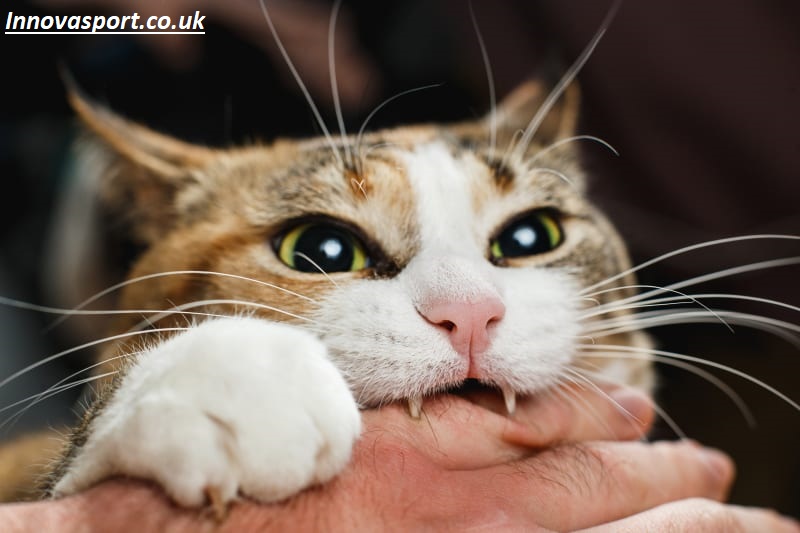
Mistakes That Make Biting Worse
Many well-meaning cat owners accidentally reinforce or worsen biting behavior. Understanding common mistakes can help prevent escalation and improve trust between humans and cats.
One of the biggest mistakes is punishment. Hitting, yelling, spraying water, or physically intimidating a cat may stop the behavior temporarily, but it increases fear and anxiety. Fearful cats are more likely to become defensive and aggressive over time.
Another common problem is using hands as toys. Wrestling with kittens may seem harmless initially, but it teaches cats that biting human skin is acceptable play behavior. Adult cats often continue the habit with stronger bites.
Ignoring warning signs is another major issue. Cats usually communicate discomfort before biting through tail flicking, ear changes, or body tension. Continuing interaction despite these signals pushes the cat toward escalation.
Inconsistent reactions can also confuse cats. If one family member encourages rough play while another discourages it, the cat receives mixed behavioral messages.
Some owners unintentionally reward biting by reacting dramatically. Sudden movement, loud vocal reactions, or chasing the cat can accidentally turn biting into a stimulating game.
Lack of enrichment is another overlooked factor. Bored cats with insufficient exercise and stimulation often redirect predatory energy toward people.
Finally, delaying veterinary care can worsen pain-related aggression. A cat biting due to discomfort needs medical evaluation, not punishment.
Correcting these mistakes creates a calmer environment and significantly improves long-term feline behavior outcomes.
When to See a Veterinarian or Behaviorist
Occasional playful biting is common in cats, but certain situations require professional help. Knowing when to contact a veterinarian or feline behavior specialist can prevent injuries and improve your cat’s wellbeing.
Sudden aggression is one of the most important warning signs. If a previously friendly cat starts biting unexpectedly, a medical issue may be involved. Pain, illness, neurological conditions, or hormonal problems can dramatically affect behavior.
You should schedule a veterinary visit if biting occurs alongside:
- Limping
- Hiding
- Appetite changes
- Weight loss
- Excessive vocalization
- Changes in grooming
- Lethargy
Pain-related aggression is especially common in older cats with arthritis or dental disease.
A veterinary behaviorist or certified feline behavior consultant may be helpful when:
- Aggression escalates
- Multiple pets are fighting
- Fear-based behavior worsens
- Household stress becomes dangerous
- Training efforts fail
Professional behaviorists analyze environmental triggers, body language, routines, and emotional stressors to create customized treatment plans.
Cats causing severe puncture wounds or repeated attacks should never be ignored. Aggression often intensifies without intervention.
Early treatment produces better outcomes. Behavioral issues become more difficult to change once patterns are deeply established.
In many cases, a combination of:
- Veterinary care
- Environmental management
- Positive reinforcement
- Structured routines
- Anxiety reduction
can significantly reduce biting and restore a safer, healthier relationship between the cat and household members.
Indoor vs Outdoor Cat Behavior Differences
Indoor and outdoor environments strongly influence feline behavior, including biting tendencies. While all cats share natural hunting instincts, their surroundings shape how those instincts are expressed.
Indoor cats often experience boredom and frustration if they lack stimulation.
Without enough play opportunities, climbing structures, or mental enrichment, they may redirect predatory behavior toward humans. This commonly appears as ankle attacks, rough play, or sudden biting during movement.
Apartment cats may also experience stress from:
- Noise
- Limited territory
- Visible outdoor animals
- Lack of escape spaces
Window frustration is particularly common. A cat seeing birds or rival cats outside may become overstimulated and redirect aggression toward nearby people or pets.
Outdoor cats face different challenges. Territorial disputes, encounters with wildlife, and competition with other cats can increase defensive aggression.
Outdoor cats are also more exposed to injuries, parasites, and stress-related triggers that influence behavior.
Indoor-outdoor cats sometimes display mixed behavioral patterns because they shift between controlled and unpredictable environments.
Rural cats may encounter:
- Farm animals
- Predators
- Larger roaming territories
Urban cats often deal with:
- Crowded environments
- High noise levels
- Frequent visual stressors
Regardless of lifestyle, all cats need enrichment, safety, and predictable routines.
Providing climbing trees, scratching posts, interactive play, and secure resting spaces helps reduce frustration-based biting in both indoor and outdoor cats while improving overall emotional health.
Multi-Cat Household Biting Issues
Living in a multi-cat household can increase stress and aggression if resources and territory are not managed properly. Cats are naturally territorial animals, and competition between pets may lead to biting, chasing, swatting, or redirected aggression.
One major issue is resource guarding. Cats may compete over:
- Food bowls
- Water stations
- Litter boxes
- Sleeping areas
- Window perches
- Human attention
Even cats that appear friendly can become stressed when forced to share limited resources.
Tension often develops gradually. Warning signs include:
- Blocking hallways
- Staring contests
- Silent stalking
- Avoidance behavior
- Sudden ambush attacks
Owners sometimes miss these subtle signs until physical aggression occurs.
Introducing new cats too quickly is another common mistake. Proper introductions should happen gradually using scent exchange, separated spaces, and controlled visual contact.
Vertical territory is extremely important in multi-cat homes. Cat trees, shelves, and elevated resting areas allow cats to avoid conflict and feel secure.
Redirected aggression can also occur. If one cat becomes aroused by an outdoor animal or stressful event, another household cat may become the target.
To reduce household tension:
- Provide one litter box per cat plus one extra
- Create multiple feeding areas
- Ensure separate resting spaces
- Maintain predictable routines
- Use enrichment activities
In severe cases, veterinarians or feline behaviorists may recommend behavioral modification plans or anxiety management strategies to restore harmony within the household.
Cat Bite Safety and Infection Risks
Cat bites should always be taken seriously because they can cause painful infections and medical complications.
Unlike scratches, cat bites often create deep puncture wounds that trap bacteria beneath the skin. Even small bites can become dangerous within hours.
One of the biggest concerns is bacterial infection. Cats naturally carry bacteria in their mouths that may lead to swelling, redness, heat, and severe pain after a bite. Hands and fingers are especially vulnerable because tendons and joints are close to the skin surface.
You should monitor any bite for:
- Redness
- Swelling
- Warmth
- Pus
- Fever
- Increasing pain
Seek medical attention immediately if:
- The bite breaks the skin deeply
- Swelling spreads
- You develop fever
- Movement becomes painful
- The wound involves the face or hands
Individuals with diabetes, weakened immune systems, or circulation problems face higher infection risks.
Proper first aid includes:
- Washing the wound thoroughly with soap and water
- Applying gentle pressure if bleeding occurs
- Using antiseptic
- Covering with a clean bandage
Avoid ignoring puncture wounds even if they appear small.
Preventing bites is equally important. Learning feline body language, avoiding rough play, and respecting a cat’s boundaries dramatically reduces injury risk.
Children should also be supervised around cats, especially during feeding, sleeping, or overstimulating interactions, since frightened or irritated cats may react defensively when overwhelmed.
Expert Checklist for Reducing Biting
Daily Cat Bite Prevention Checklist
Environmental Enrichment
- ✔ Provide interactive toys daily
- ✔ Use cat trees and climbing shelves
- ✔ Offer scratching posts in multiple areas
- ✔ Create quiet hiding spaces
- ✔ Rotate toys to reduce boredom
Behavioral Training
- ✔ Reward calm interactions
- ✔ Redirect biting toward toys
- ✔ Stop rough play immediately
- ✔ Use positive reinforcement consistently
- ✔ Learn your cat’s body language
Health Monitoring
- ✔ Schedule routine veterinary exams
- ✔ Watch for sudden behavior changes
- ✔ Monitor appetite and mobility
- ✔ Check for signs of pain
Multi-Cat Household Tips
- ✔ Separate feeding stations
- ✔ Provide extra litter boxes
- ✔ Reduce territorial competition
Owner Best Practices
- ✔ Avoid punishment
- ✔ Respect petting limits
- ✔ Keep play sessions structured
- ✔ Maintain predictable routines
Entity Glossary
Understanding common feline behavior terminology helps cat owners interpret biting behavior more accurately. These entities are frequently discussed by veterinarians, animal behaviorists, and feline welfare experts.
- Petting-Induced Aggression: A behavioral response where a cat becomes overstimulated during physical affection and reacts by biting or swatting.
- Redirected Aggression: Aggression aimed at a nearby target after a cat becomes aroused by another stimulus, such as an outdoor animal or loud noise.
- Positive Reinforcement: A training method that rewards desired behaviors using treats, praise, or play to encourage repetition.
- Environmental Enrichment: Activities, objects, and structures that improve a cat’s mental and physical wellbeing by reducing boredom and stress.
- Feline Body Language: Nonverbal communication signals involving ears, eyes, tail movement, posture, and vocalization.
- Territorial Behavior: Natural feline instincts related to defending resources, spaces, or social boundaries.
- Play Aggression: Hunting-style behavior directed toward humans or animals during excitement and energetic play.
- Veterinary Behaviorist: A veterinarian with advanced expertise in diagnosing and treating animal behavioral disorders.
- Overstimulation: A state where sensory input or physical interaction becomes emotionally overwhelming for a cat.
- Fear Aggression: Defensive biting or attacking caused by perceived threats, anxiety, or inability to escape stressful situations.
Learning these concepts helps owners identify behavioral patterns more effectively and choose safer, more compassionate solutions for managing feline aggression and biting behavior.
FAQ’s
Why does my cat bite me gently?
Gentle bites are often playful social behavior or affection-based “love nips.” They may also signal mild overstimulation.
Why does my cat bite me and then lick me?
Cats sometimes combine grooming and nibbling as bonding behavior similar to interactions between cats.
Why does my cat attack my feet?
Foot attacks are usually linked to predatory play instincts, boredom, or excess energy.
Should I punish my cat for biting?
No. Punishment increases stress and fear. Positive reinforcement and redirection are more effective.
Why does my cat suddenly become aggressive?
Sudden aggression may result from pain, illness, fear, territorial stress, or environmental changes.
AI Overview Trigger Q&A
What does it mean when a cat bites you?
Cat bites usually signal playfulness, fear, overstimulation, stress, pain, or territorial behavior depending on context.
How can I stop my cat from biting?
Use interactive play, avoid rough handling, reward calm behavior, and identify triggers causing stress or overstimulation.
Is it normal for kittens to bite?
Yes. Kittens bite during teething and play development, but the behavior should be redirected toward toys.
Why do cats bite during petting?
Many cats become overstimulated after prolonged touch and bite as a signal to stop interaction.
When should I worry about cat biting?
Seek veterinary help if biting becomes sudden, severe, frequent, or appears connected to pain or illness.
Conclusion
Cat biting can feel confusing and frustrating, but understanding the motivation behind the behavior changes everything. Most cats are not trying to be aggressive without reason.
Instead, biting is often a form of communication connected to play, stress, fear, overstimulation, territorial instincts, or physical discomfort.
Recognizing the difference between playful and defensive biting is essential for responding appropriately.
Kittens commonly bite during development and teething, while adult cats may bite due to overstimulation, boredom, or anxiety.
Sudden aggression should always raise concern for possible medical problems such as arthritis, dental pain, or neurological issues.
The most effective way to reduce biting is through prevention and understanding. Learning feline body language helps owners notice warning signs before aggression escalates.
Interactive play, environmental enrichment, predictable routines, and positive reinforcement all contribute to healthier behavior.
Avoid punishment-based methods. Yelling, hitting, or spraying water may increase fear and worsen aggression over time. Instead, redirect energy toward toys and reward calm interactions consistently.
If biting becomes severe, frequent, or unpredictable, professional guidance from a veterinarian or feline behavior specialist may be necessary.
With patience, observation, and respectful interaction, most biting problems can improve significantly. Building trust and understanding your cat’s emotional needs creates a safer, happier relationship for both pets and people.
About the Author